
From Raw Metal to Finished Masterpiece: The Art of Metal Fabrication
Metal fabrication is the remarkable process of transforming raw, unfinished metal into precise, functional, and often beautiful products. From automotive frames to architectural structures, this craft sits at the intersection of science, skill, and creativity. The techniques involved are as varied as the industries they serve, requiring fabricators to master an evolving combination of traditional craftsmanship and cutting-edge technology. Understanding this process reveals just how foundational metal fabrication is to modern manufacturing and everyday life.
Master the Basics of Metal Fabrication
Every metal fabrication project begins with selecting the right material. Steel, aluminum, and copper are among some of the most commonly used metals, each offering distinct properties suited to different applications. Steel is prized for its strength and durability in construction and heavy machinery, aluminum is valued for its lightweight and corrosion resistance in aerospace and automotive work, and copper excels in electronics due to its superior conductivity. Understanding these characteristics ensures fabricators choose materials that align with the structural and functional demands of each project.
Alongside material selection, having the right tools is essential. Welding machines, plasma cutters, lathes, grinders, and measuring devices all play specific roles in shaping, joining, and finishing metal components. As operations scale, many fabricators incorporate CNC machines and automated systems that enhance precision and consistency. According to Zippia, more than 73,315 metal fabricators are currently working across the United States, reflecting the breadth and demand of this skilled trade. Success in this field also depends on interpersonal skills — fabricators routinely collaborate with engineers and designers, requiring clear communication alongside technical expertise to bring complex projects to life.
Apply Precise Metal Cutting Techniques
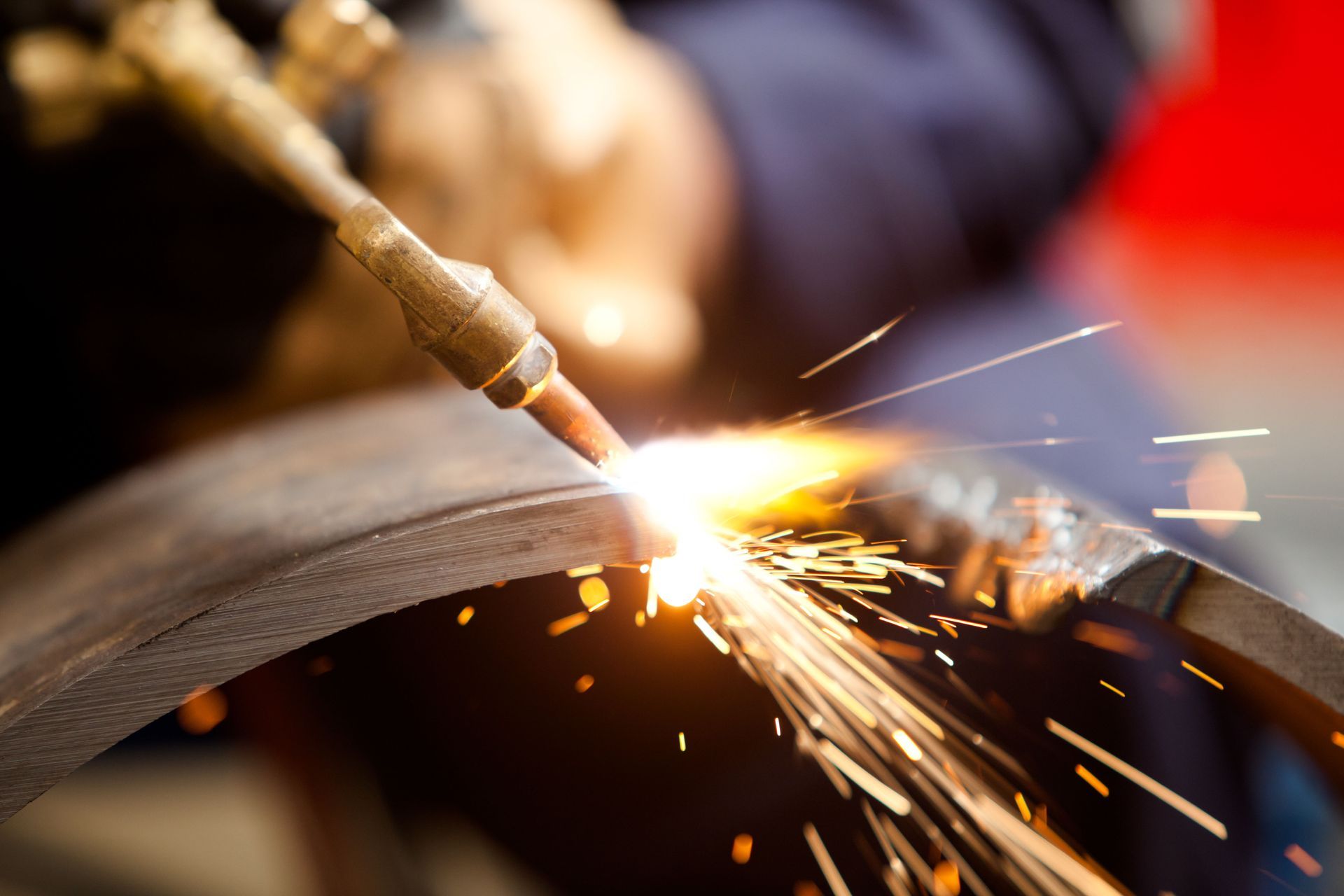
Cutting is one of the most fundamental steps in metal fabrication, and choosing the right technique directly impacts the quality and efficiency of the finished product. Sawing offers straightforward versatility for general cuts, while milling uses rotary tools to create complex surfaces with careful precision. Laser cutting delivers exceptional accuracy for intricate patterns and is widely used in high-detail applications. Each method carries its own strengths, and selecting the right one requires a clear understanding of the metal type, desired tolerances, and production volume.
The distinction between manual and automated cutting reflects another important decision in the fabrication process. Manual methods offer flexibility and craftsmanship that are well-suited to custom or artistic projects, while automated systems such as CNC machines deliver the speed and repeatability needed for large-scale production. Emerging technologies like waterjet cutting and fiber laser systems are further expanding what is possible, offering high precision with reduced material waste. Fabricators who stay current with these innovations are better positioned to meet diverse client demands while maintaining exceptional quality standards.
Shape and Form Metal With Accuracy
Forming processes such as bending, rolling, and extrusion are fundamental in reshaping metal without removing material, giving fabricators the flexibility to achieve the precise geometries required by complex designs. Bending methods — including air bending, bottoming, and coining — offer varying levels of precision and are selected based on factors such as material thickness, desired angles, and project specifications. One of the primary challenges in bending is managing springback, the metal’s natural tendency to partially return to its original shape after force is applied. To address this, modern fabrication increasingly relies on simulation tools and computer modeling, which allow engineers to predict springback behavior and adjust tooling or force application accordingly, ensuring that every bent component meets exact dimensional requirements. Properly executed bending not only produces accurate angles but also maintains material integrity, preventing cracks, tears, or weakening in critical areas.
Rolling and extrusion further expand a fabricator’s ability to produce complex shapes and profiles at scale. Rolling passes metal through a sequence of rollers, creating sheets, plates, or structural forms used in everything from building construction to automotive panels, while extrusion forces metal through a die to produce long, uniform profiles with intricate cross-sections. Both processes contribute to material strengthening through work hardening, which enhances the mechanical properties of the finished component. By combining bending, rolling, and extrusion, metal fabricators can craft components that balance precision, strength, and design intent, forming the backbone of modern manufacturing and engineering applications. These techniques not only allow for functional structural parts but also support aesthetic and custom design elements, making them indispensable in industries ranging from aerospace to architectural fabrication.
Uphold Safety and Quality in Fabrication
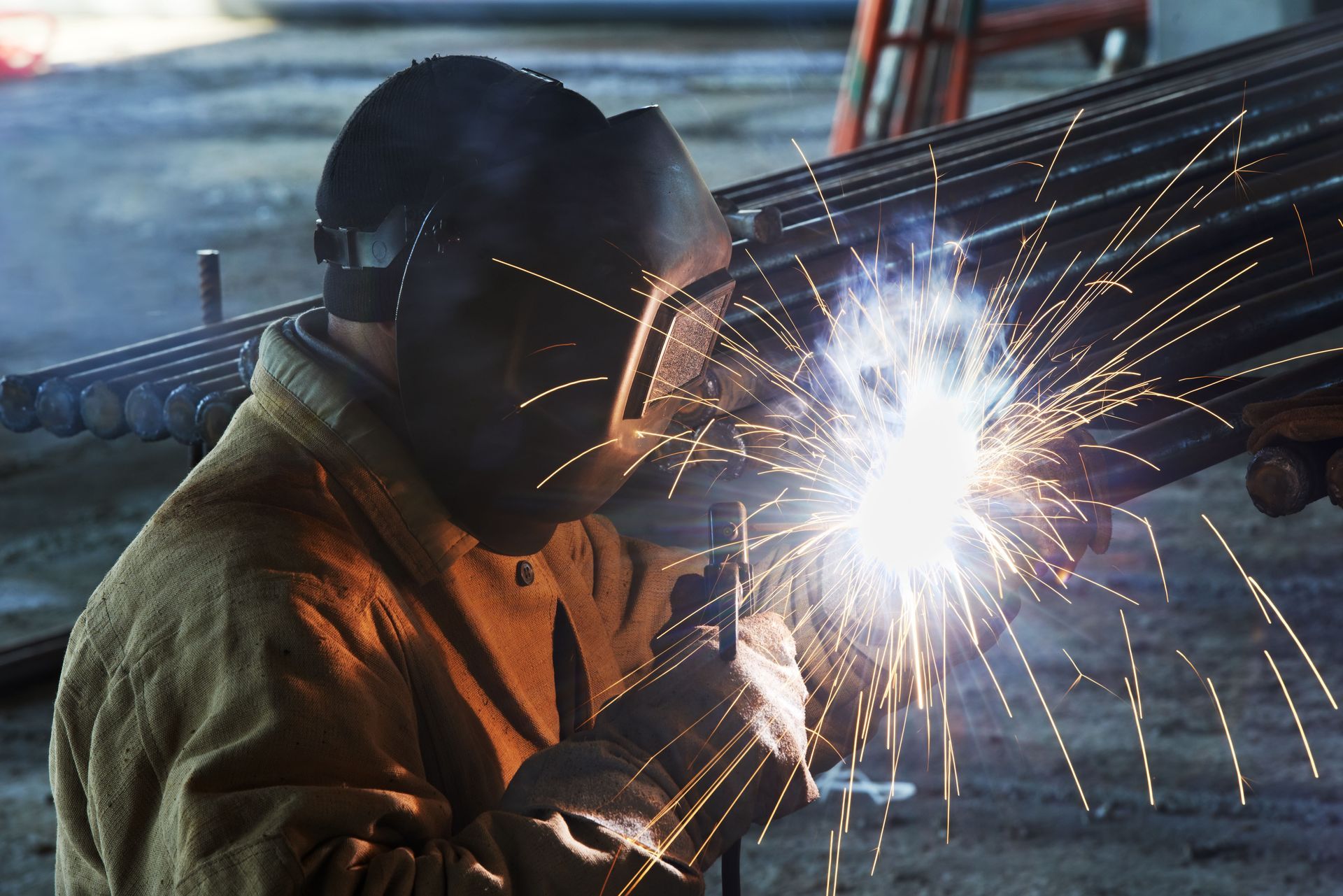
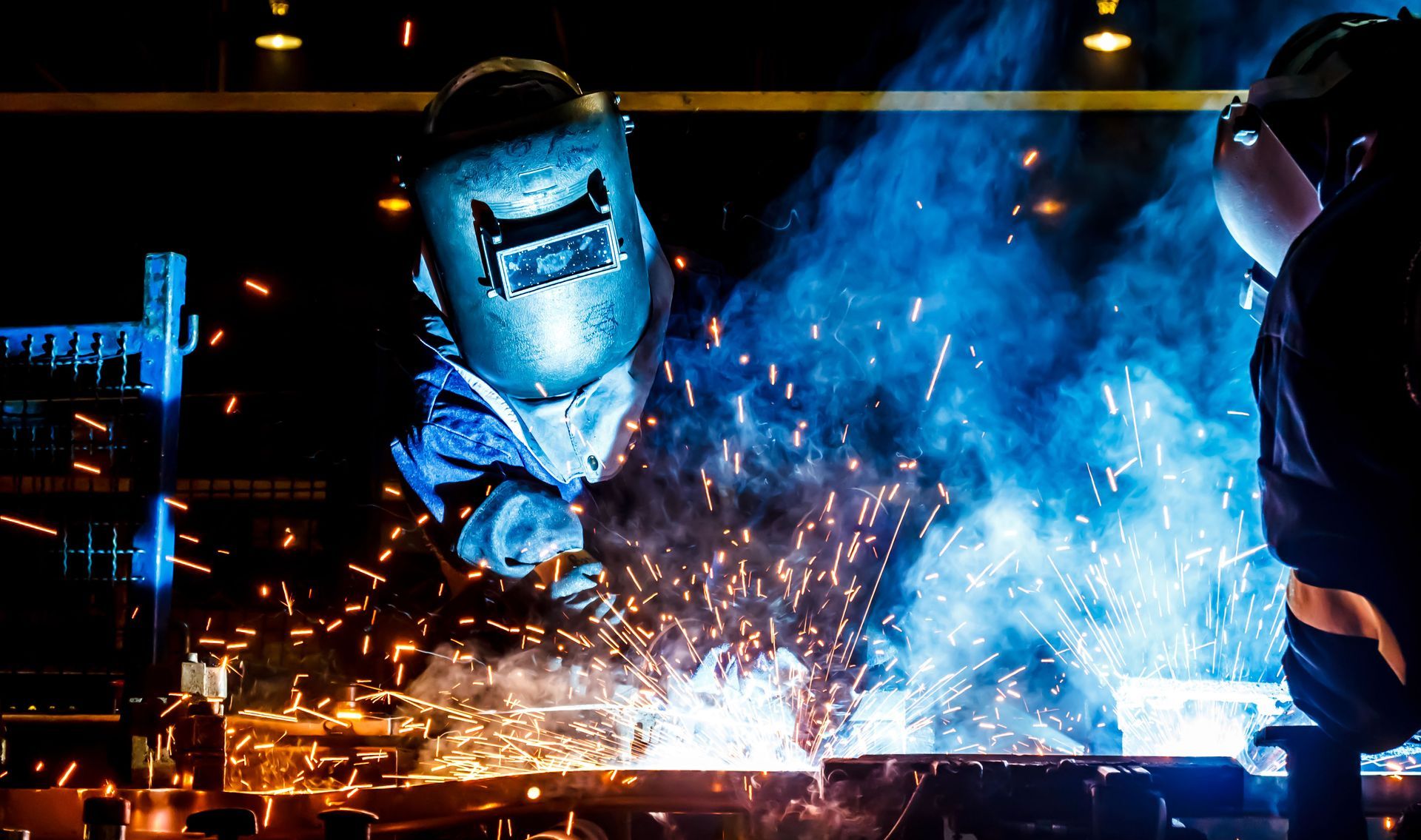
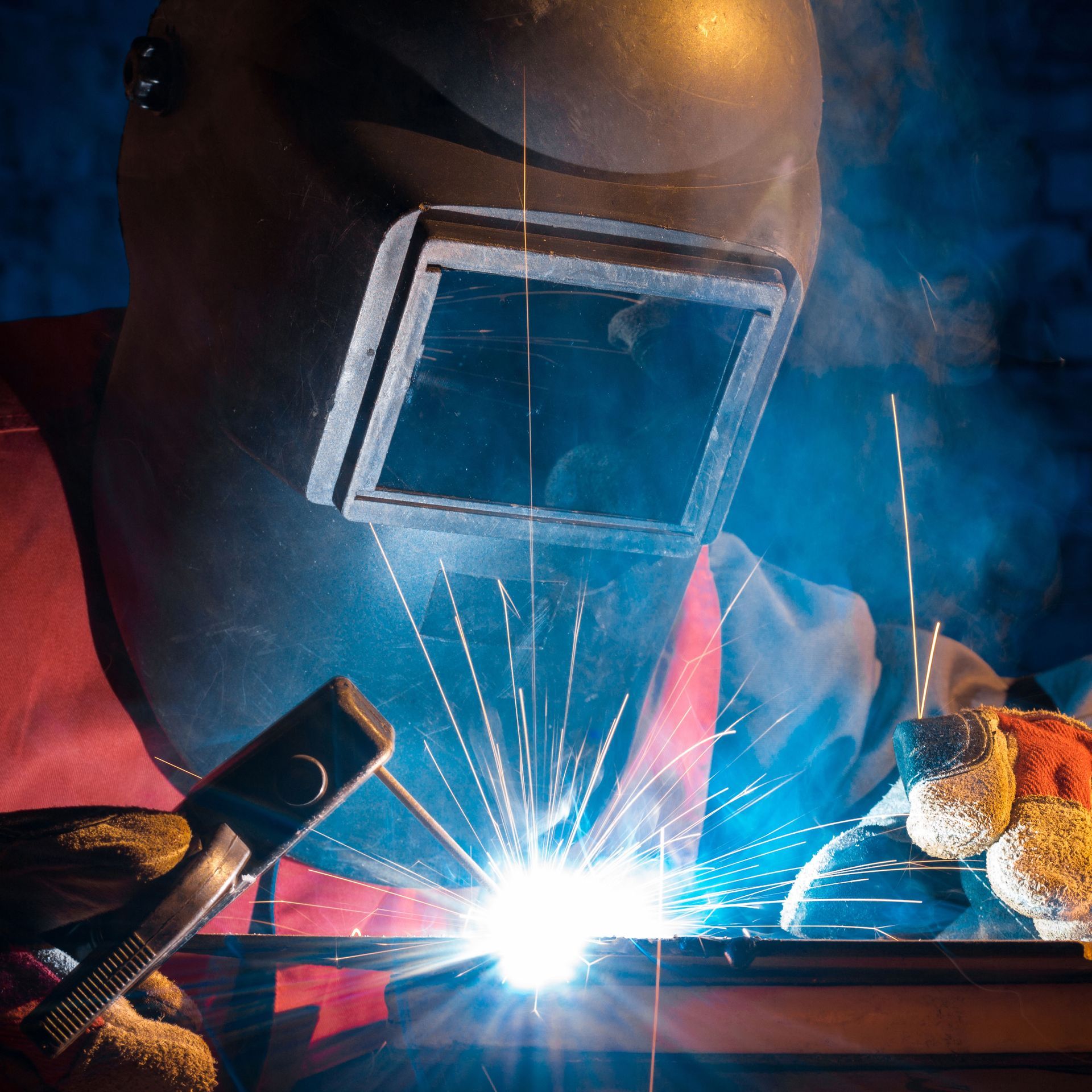
Safety is an absolute priority in metal fabrication, where the combination of heavy machinery, sharp cutting tools, welding equipment, and high temperatures creates a work environment with inherent risks. Ensuring a safe workspace requires more than just compliance with regulations; it demands comprehensive training programs, consistent use of personal protective equipment (PPE), and clearly communicated safety protocols that all team members understand and follow. Routine equipment inspections, scheduled maintenance, and frequent safety drills help identify potential hazards before they escalate into accidents. Encouraging open reporting of near-misses or unsafe conditions fosters a proactive safety culture, not only protecting employees but also maintaining productivity, minimizing downtime, and reinforcing the reliability of the fabrication operation.
Parallel to safety, quality control defines the professionalism and credibility of a fabrication business. Systematic inspection at every stage of production — from incoming raw material checks to precision finishing — ensures components adhere to exact design specifications and industry standards. Advanced technologies, including laser scanners, ultrasonic testing, and sophisticated quality management software, allow fabricators to detect defects or deviations early and implement corrections with precision. By analyzing defects, gathering feedback from employees, and emphasizing continuous improvement, fabrication teams cultivate a culture of excellence. This commitment ensures that every product delivered is not only structurally sound but also meets or exceeds client expectations, reinforcing trust and long-term business success.
Embrace Innovation and Sustainability in Fabrication
The metal fabrication industry is evolving rapidly, driven by advances in automation, digital design, and sustainable manufacturing practices. CNC technology, robotic systems, and fiber laser cutting have dramatically increased production speed and precision, while also reducing material waste. Additive manufacturing is opening new frontiers, allowing fabricators to create complex metal geometries that were previously impossible with traditional methods. Staying current with these technologies is essential for fabricators who want to remain competitive and capable of handling increasingly sophisticated project demands.
Sustainability is also becoming a central consideration in modern fabrication. Many fabricators are opting for recycled metals and energy-efficient processes to reduce their environmental footprint without compromising performance. Technologies like waterjet cutting, which operate without heat, preserve material properties and minimize waste, supporting greener production workflows. As client expectations and regulatory standards continue to push toward more responsible manufacturing, fabricators who integrate sustainability into their processes are better positioned for long-term success.
Fabrication is far more than an industrial process — it is a discipline that combines technical mastery, creative problem-solving, and a commitment to quality at every stage. From raw material selection to final inspection, each step reflects the skill and precision that define this essential trade. Whether the application is structural, decorative, or functional, the principles of expert fabrication remain the same: accuracy, craftsmanship, and continuous improvement. If you are ready to bring your metal fabrication project to life with expert craftsmanship and dependable results, contact us at Rainey Gutters today. We will help you turn your vision into a finished masterpiece built to the highest standards.
Share On: