
The Backbone of Modern Buildings: Exploring Structural Steel Fabrication
Structural steel fabrication plays a pivotal role in modern construction, acting as the backbone of many contemporary buildings and infrastructure. Steel's inherent qualities make it an ideal choice for constructing safe, sustainable, and enduring edifices. This material has revolutionized how architects and engineers approach building design and construction, providing unparalleled structural integrity and design flexibility. As the global population continues to grow and urbanize, the demand for innovative steel fabrication methods only intensifies. Understanding the nuances of steel fabrication is crucial for those invested in the future of construction and development.
Understanding Structural Steel
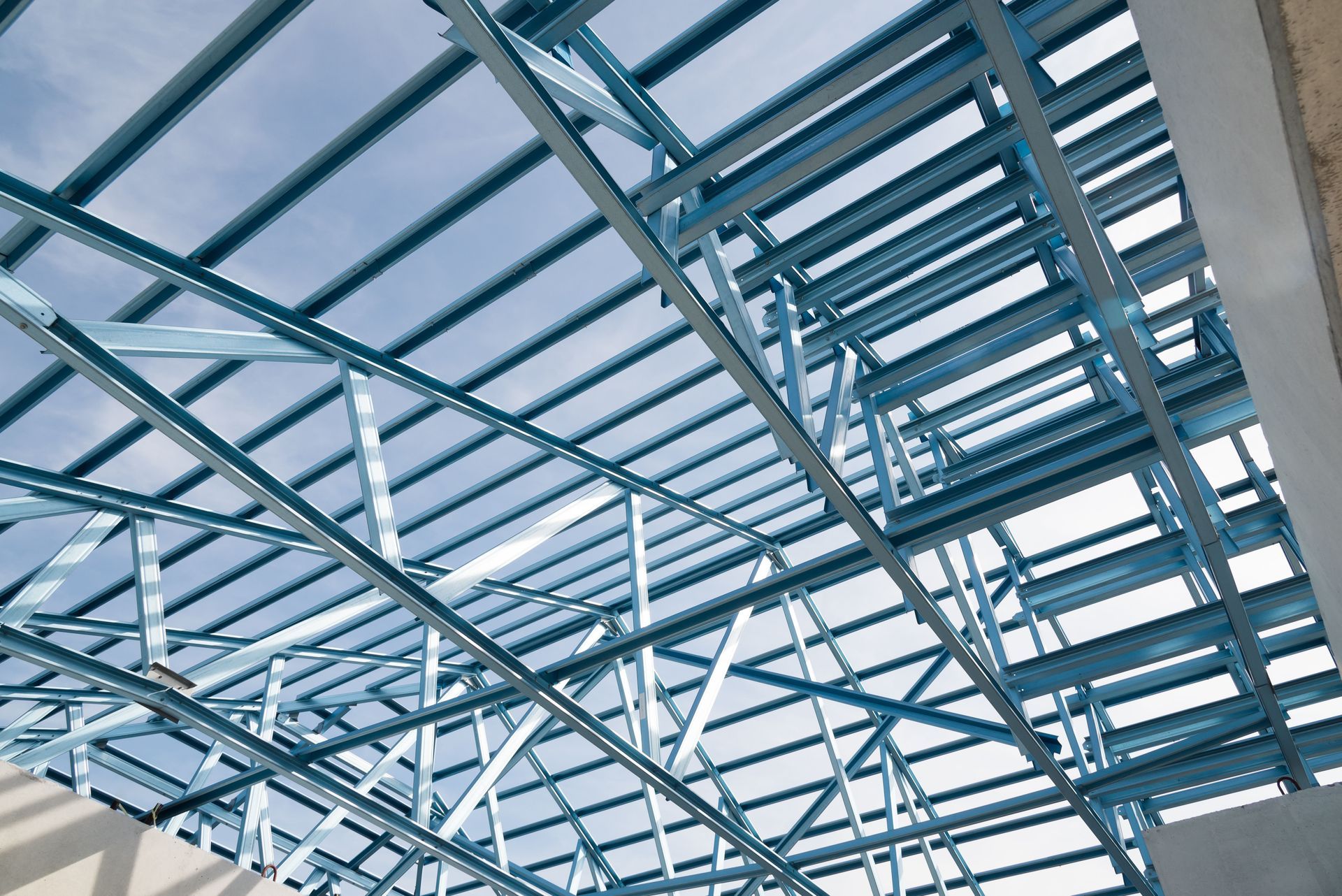
Structural steel is a category of steel construction material that is fabricated with a specific shape and chemical composition to suit particular applications in building and infrastructure. This type of steel is known for its versatility and ability to be easily molded into various forms and sizes, making it essential for numerous architectural projects. Various forms, such as I-beams, angles, and channels, are commonly used, each serving unique functions within a construction project.
Analyzing Properties and Advantages
One of the primary attributes of structural steel is its strength-to-weight ratio, which contributes significantly to its longevity and reliability in construction. It is capable of bearing enormous loads, making it a preferable option for large-scale buildings and structures. Another significant advantage of structural steel is its ability to withstand various environmental stresses without significant degradation over time. According to the World Steel Association, the typical life expectancy of steel products falls between 40 and 100 years, underscoring its durability and economic desirability.
Reviewing Common Grades and Specifications
Several grades of structural steel are available in the market, each with unique mechanical properties tailored to different construction needs. Engineers and architects choose specific grades based on the building's purpose and geographic location. For example, some projects may require high tensile strength at lower weights, while others need better corrosion resistance. Selecting the right material for the right purpose maximizes safety and efficiency.
Reviewing the Fabrication Process
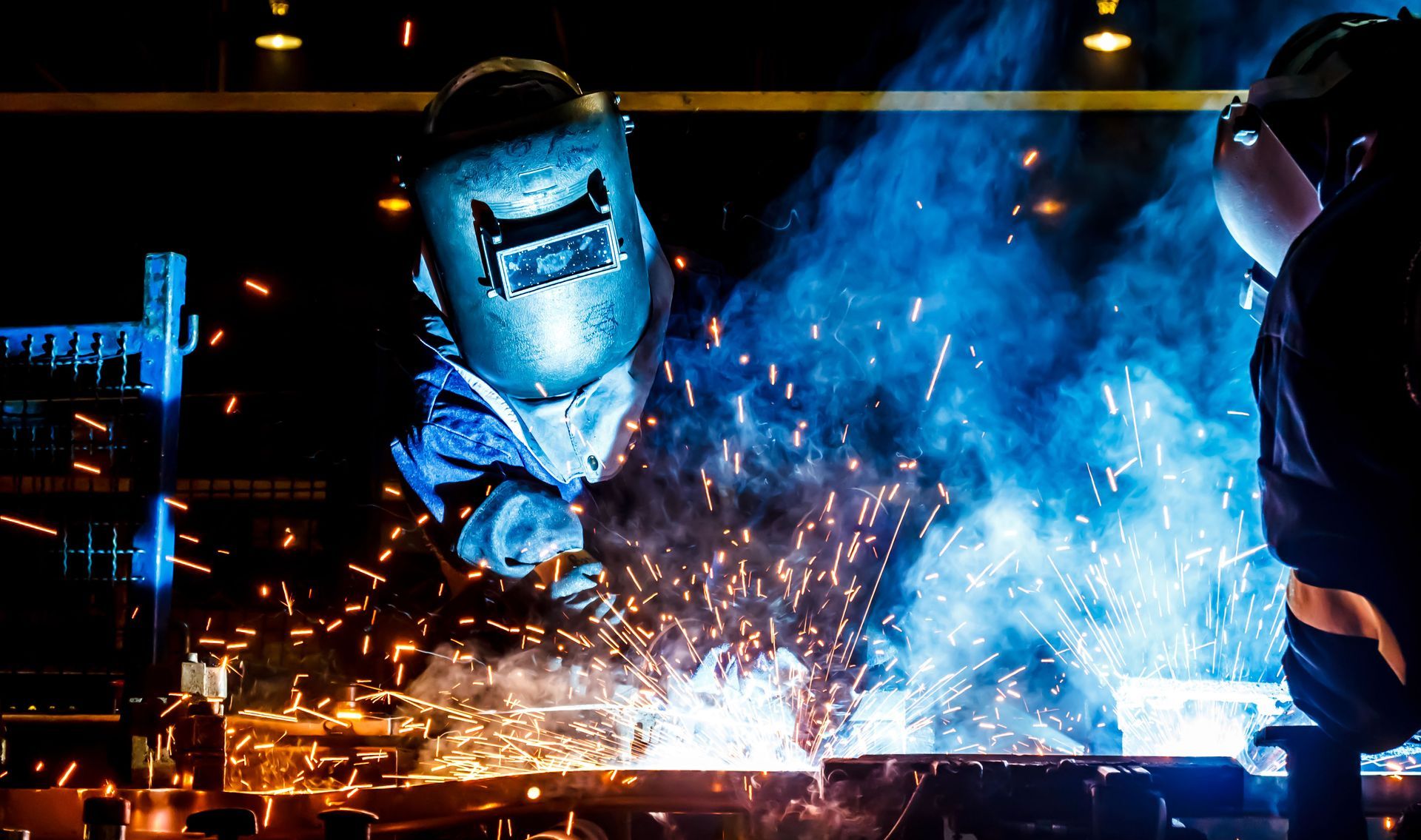
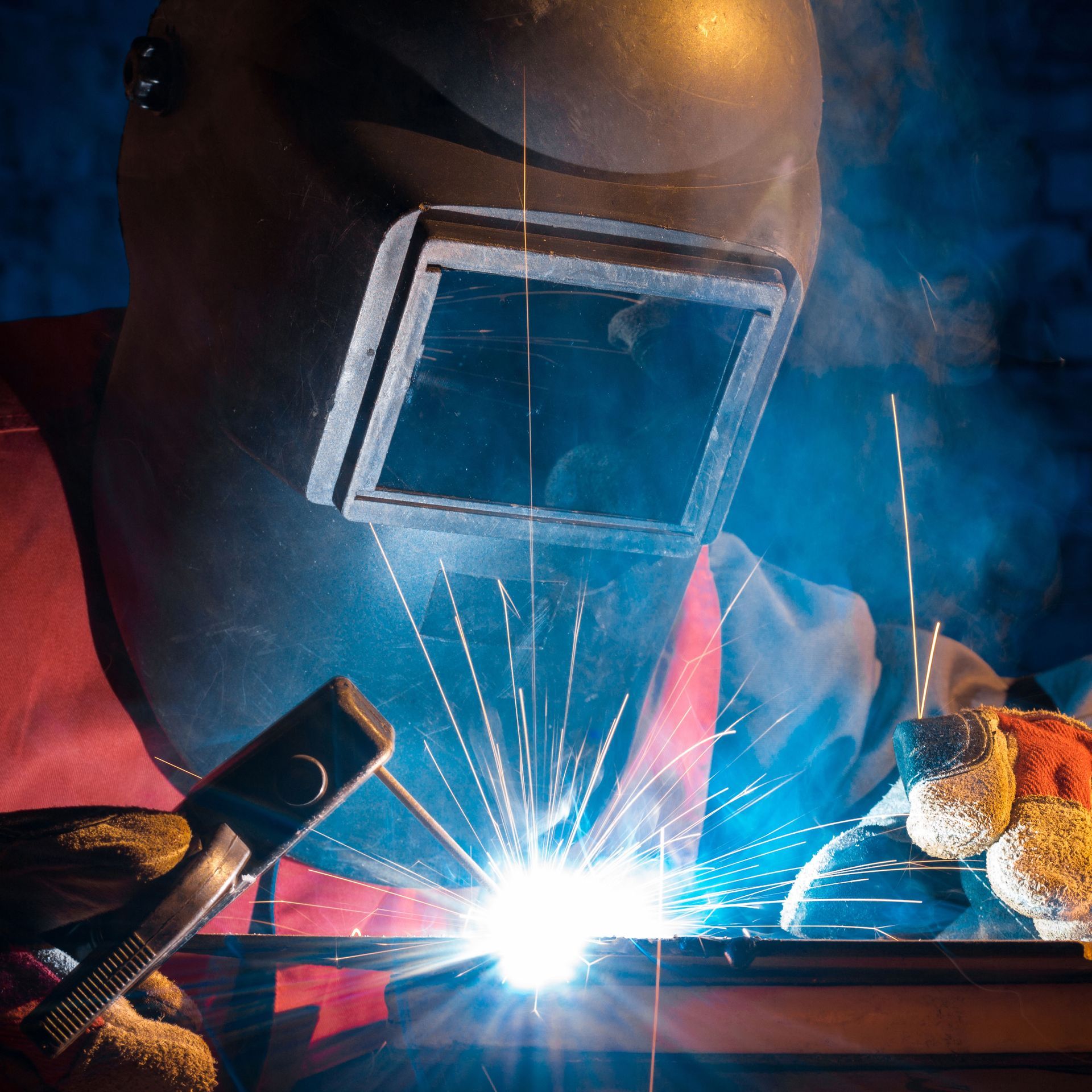
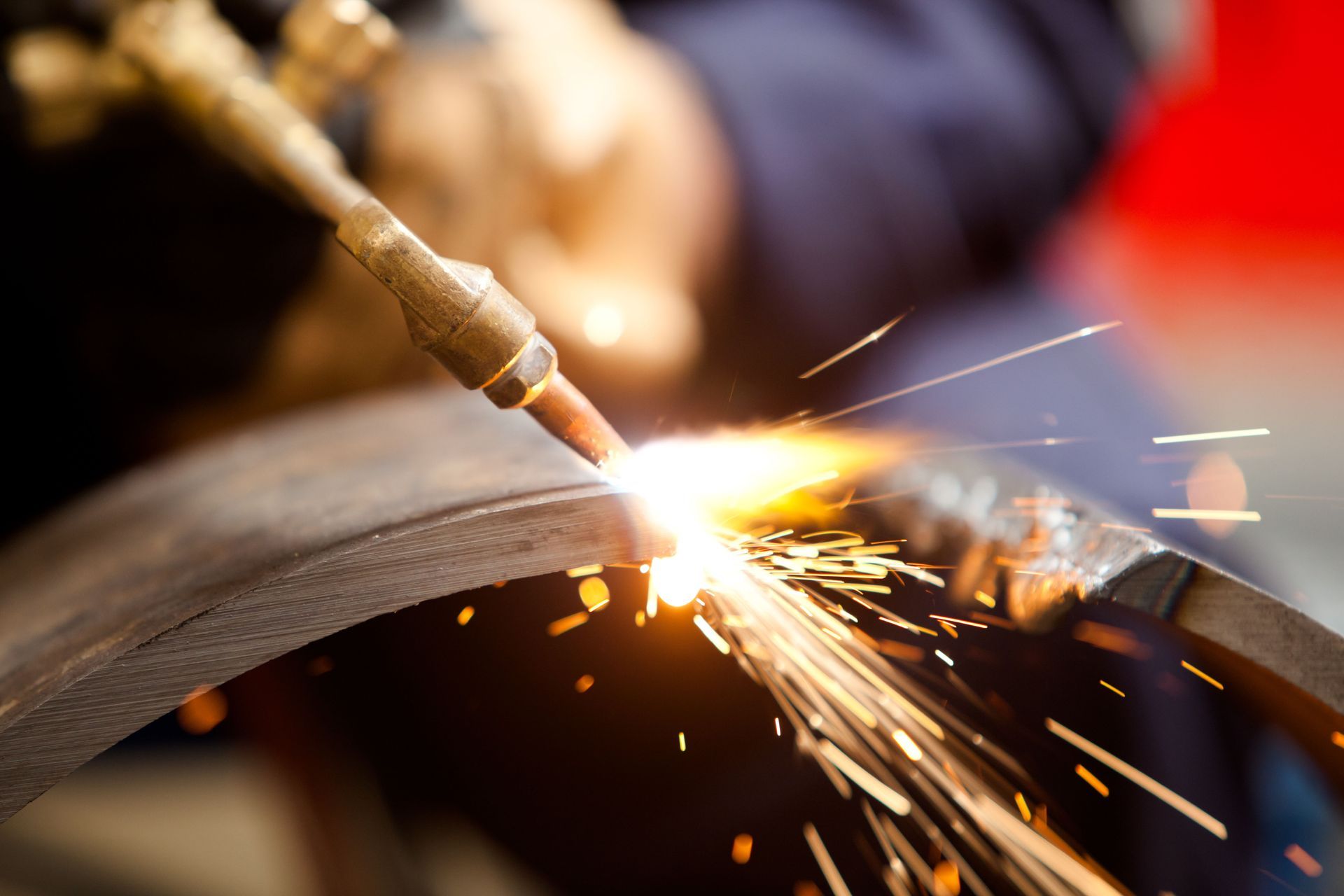
The process of structural steel fabrication begins with cutting and shaping raw materials to the required design specifications. Traditional methods include sawing, shearing, and manual torching, each suited to different project needs. Cutting is guided by detailed design drawings that translate an architect's vision into a tangible structure. After cutting, steel pieces are shaped and connected using techniques ranging from welding to bolting, helping with the precision of every component within the assembly.
Implementing Advanced CNC and Robotic Techniques
With the advent of technology, computerized numerical control (CNC) machines and robotics have revolutionized structural steel fabrication. CNC equipment enables precise and consistent cutting of steel components, reducing human error and waste. Automated robots assist in welding and assembling, allowing for faster production rates and greater accuracy. This technological integration also enhances safety by minimizing workers' exposure to hazardous conditions. The adoption of these advanced techniques signals a shift towards automation and efficiency.
Executing Rigorous Quality Control Measures
Quality control is a critical aspect of the steel fabrication process, ensuring that every component meets rigorous standards. Inspections occur at multiple stages, from raw material selection to final assembly, employing various testing methods such as ultrasonic and radiographic testing. These quality checks detect potential flaws, such as micro-cracks or inconsistencies in welds, that could compromise integrity. Following regulatory standards is vital for safety and liability, preventing potential failures.
Designing With Steel Fabrication
The integration of steel fabrication with architectural design seamlessly combines aesthetics with structural functionality. Modern architectural practices rely heavily on structural steel fabrication to achieve complex, innovative designs that push the boundaries of creativity. By closely collaborating with fabricators, architects gain the ability to turn artistic concepts into reality, employing steel's flexibility and strength. This harmonious integration allows for the construction of intricate façades, sweeping curves, and expansive open spaces.
Incorporating Sustainability Into Building Plans
Sustainability is becoming increasingly important in architectural design, and steel fabrication plays a pivotal role in achieving these objectives. Steel's recyclability makes it a key contributor to reducing construction waste, diminishing the environmental impact of buildings. Advancements in fabrication technology allow for the optimization of material use, further promoting resource conservation. Sustainable practices extend into the design phase, where steel's versatility supports efficient insulation and renewable energy systems.
Customizing Solutions for Client Needs
Customization in steel fabrication allows projects to adhere precisely to client specifications, providing satisfaction and project success. Each project is unique, necessitating tailored solutions in design and installation, a feature that is inherently supported by the flexibility of structural steel. Advanced fabrication methods facilitate customization without compromising accuracy or structural integrity. By accommodating client-specific needs, structural steel fabrication empowers innovation and creativity in building design.
Navigating the Challenges of Steel Fabrication
One of the ongoing challenges in steel fabrication is the effective management of material waste. Despite steel's recyclability, minimizing waste during the process remains a priority for sustainability and cost reduction. Technologies such as computer-aided design (CAD) and CNC machining have been instrumental in improving material yield, enabling precise cutting and reducing off-cuts. Optimizing fabrication processes not only conserves resources but also contributes to the overall profitability of construction projects.
Meeting U.S. Regulatory Standards
Complying with regulatory standards is imperative for providing the safety and reliability of steel structures. Various codes and guidelines mandate specific requirements for the design, fabrication, and installation of structural steel components. These include standards for bolt strength, weld quality, and seismic performance, which must be followed to prevent structural failures. Adhering to regulations requires comprehensive documentation and thorough quality control procedures, often involving rigorous inspections.
Coping With Fluctuating Material Costs
The steel industry faces challenges related to fluctuating raw material costs, impacting the overall feasibility and budgeting of construction projects. Price volatility is influenced by factors such as global demand, freight rates, and currency fluctuations. To mitigate these challenges, fabricators often employ strategies such as forward contracts or alternative material options to stabilize costs. Maintaining good supplier relationships and efficient inventory management can also lessen the impact of sudden price increases.
Utilizing New Technology
Smart fabrication technologies are transforming the steel industry by integrating digital tools and automation. Technologies such as the Internet of Things (IoT) and artificial intelligence (AI) facilitate real-time monitoring in fabrication facilities, enhancing overall efficiency. Predictive analytics aids in anticipating equipment maintenance, reducing downtime, and optimizing resource allocation. These innovations allow fabricators to respond faster to client needs and improve customization capabilities, ultimately delivering higher-quality products.
Developing New Composite Structures
The development of new materials and composite structures represents a significant trend in the evolution of structural steel fabrication. Emerging high-strength steel alloys, combined with materials like carbon fiber and glass, provide enhanced performance characteristics, such as improved tensile strength and reduced weight. These composites offer new possibilities for lightweight, durable structures that maintain or exceed the properties of traditional steel. Embracing new materials encourages the development of innovative design solutions.
Structural steel remains the foundation of our modern urban landscape, offering the strength, flexibility, and durability required for the world's most ambitious projects. As technology advances and sustainability becomes a non-negotiable standard, the methods of fabrication will continue to evolve, making buildings safer and more efficient. Understanding these processes is key to appreciating the engineering marvels that define our cities.
If you are looking for a partner who can provide precision and reliability for your next construction project, reach out to the experts. Contact Donner Steel Works today to discuss your requirements for structural steel fabrication and see how we can help bring your architectural vision to life with high-quality craftsmanship.
Share On: