
Innovative Metal Fabrication Techniques That Transform Construction Projects
Custom projects often succeed or fail based on how well early ideas are translated into practical, durable, and well-built results. When a project involves steel components, architectural features, commercial structures, industrial equipment, or specialty repairs, the work requires more than basic welding. It calls for planning, material knowledge, accurate fabrication, and clear communication from start to finish. A metal fabrication company helps connect design intent with real-world performance by turning drawings, measurements, and project goals into finished pieces that fit the job. This support is especially valuable when a standard product will not meet the client’s needs. From the first consultation to the final installation, experienced fabricators help reduce delays, prevent costly mistakes, and create solutions that are built for the environment where they will be used. Their input can also help clients feel more confident about the process because each decision is tied to function, safety, and the final appearance of the work.
Planning Custom Fabrication Around Project Goals
Every custom project begins with a specific purpose. Some clients need structural support, while others need stairs, railings, gates, frames, platforms, brackets, or specialty components that must fit an exact space. A metal fabrication company can evaluate those needs early, helping clients understand what is practical, what may need adjustment, and what materials will perform best for the job.
This planning stage matters because custom fabrication rarely follows a one-size-fits-all process. Measurements, load requirements, site conditions, safety expectations, and finish preferences all shape the final result. When a fabricator is involved early, potential issues can be addressed before production begins. That may include changing a connection point, simplifying a design, choosing a better steel thickness, or identifying installation challenges. Strong planning helps the finished product support the project’s larger goals instead of creating problems later.
Translating Designs Into Buildable Parts
A concept may look clear on paper, but it still needs to be converted into parts that can be cut, shaped, welded, and assembled correctly. A metal fabrication company plays an important role in this transition by reviewing drawings, confirming measurements, and determining how each piece should be produced. This step helps bridge the gap between design and function.
Fabricators understand how steel behaves during cutting, bending, heating, and welding. Their insight can help improve the buildability of a project without taking away from the intended design. For example, a decorative railing may need precise spacing for appearance, but it also needs strong welds, secure mounting points, and code-conscious construction. By thinking through those details, fabricators help ensure the finished piece is attractive, stable, and ready for real use.
Improving Strength Through Material Knowledge
Material selection has a major impact on custom project success. Different metals and finishes offer different levels of strength, corrosion resistance, weight, and appearance. A metal fabrication company can help clients choose materials that make sense for the project’s location, use, and budget. This guidance is important for projects exposed to weather, heavy traffic, frequent use, or demanding work environments.
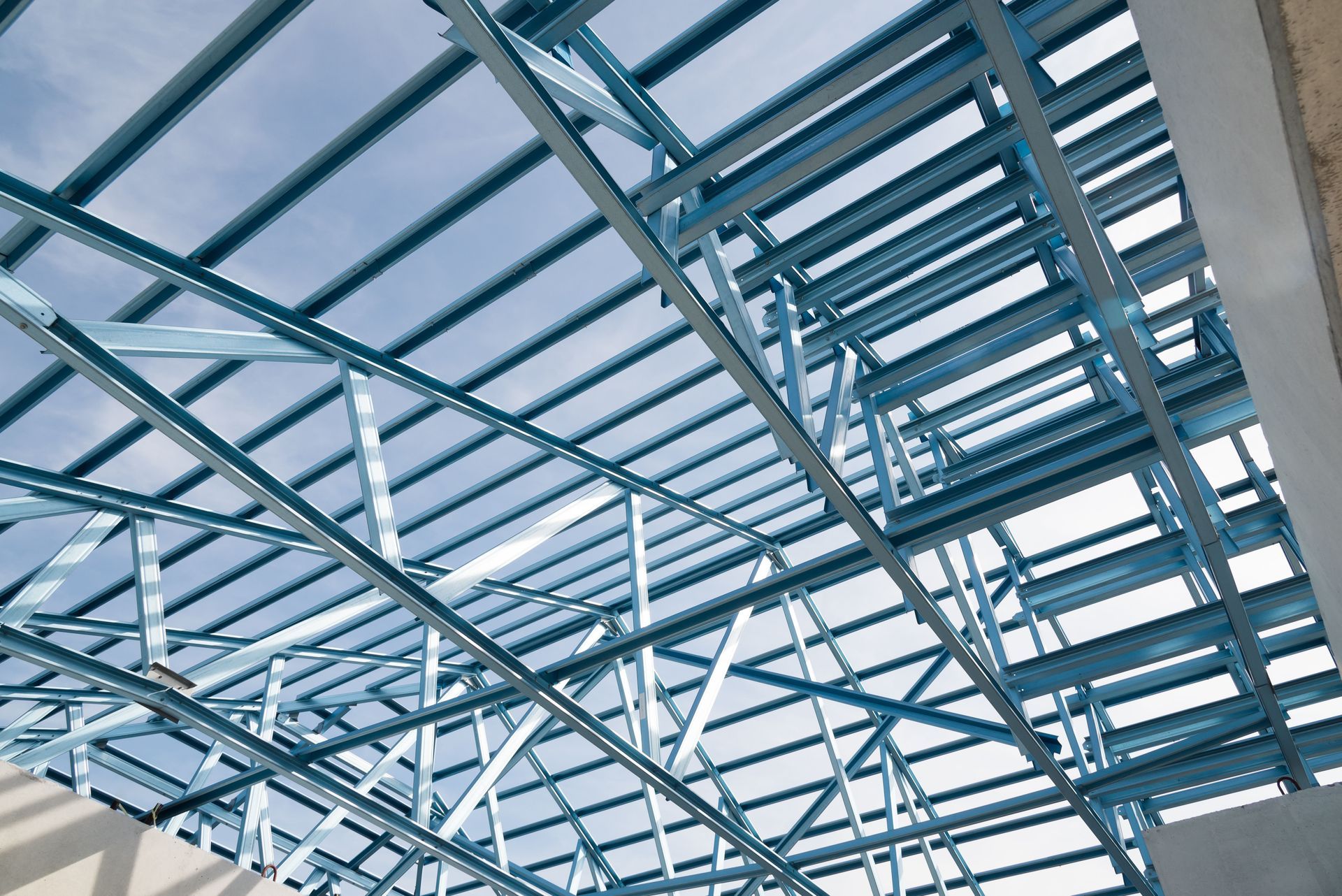
Steel is often chosen because it offers strength, durability, and versatility. However, even within steel fabrication, the right choice depends on the application. A structural frame may require a different grade or thickness than a decorative gate or repair bracket. Finishes such as paint, powder coating, or galvanizing may also be considered to help protect the surface. With the right material decisions, custom-fabricated products can last longer, perform better, and require fewer repairs over time. These choices also help clients avoid overbuilding or underbuilding, both of which can affect cost, safety, and performance.
Supporting Sustainability Through Steel Reuse
Custom fabrication can also support responsible material use, especially when steel is part of the project. Steel has long been valued for its ability to be reused without losing its core strength. According to the American Institute of Steel Construction, 98% of American structural steel is recycled into new steel products. That makes steel a practical option for clients who care about durability and material efficiency.
A metal fabrication company can help support this value by cutting accurately, reducing waste, and using materials with purpose. Careful fabrication planning can limit unnecessary scrap and help ensure that each component is created to meet the job’s requirements. For businesses and property owners, this combination of strength and recyclability can be especially appealing. It allows custom projects to meet performance needs while also supporting a more efficient building and manufacturing process.
Maintaining Accuracy During Production
Precision is one of the biggest advantages of working with experienced fabricators. Custom projects often involve tight measurements, unusual shapes, or pieces that must connect with existing structures. A small error in length, angle, or alignment can create installation delays and added costs. A metal fabrication company uses skilled labor, shop equipment, and quality checks to keep production accurate.
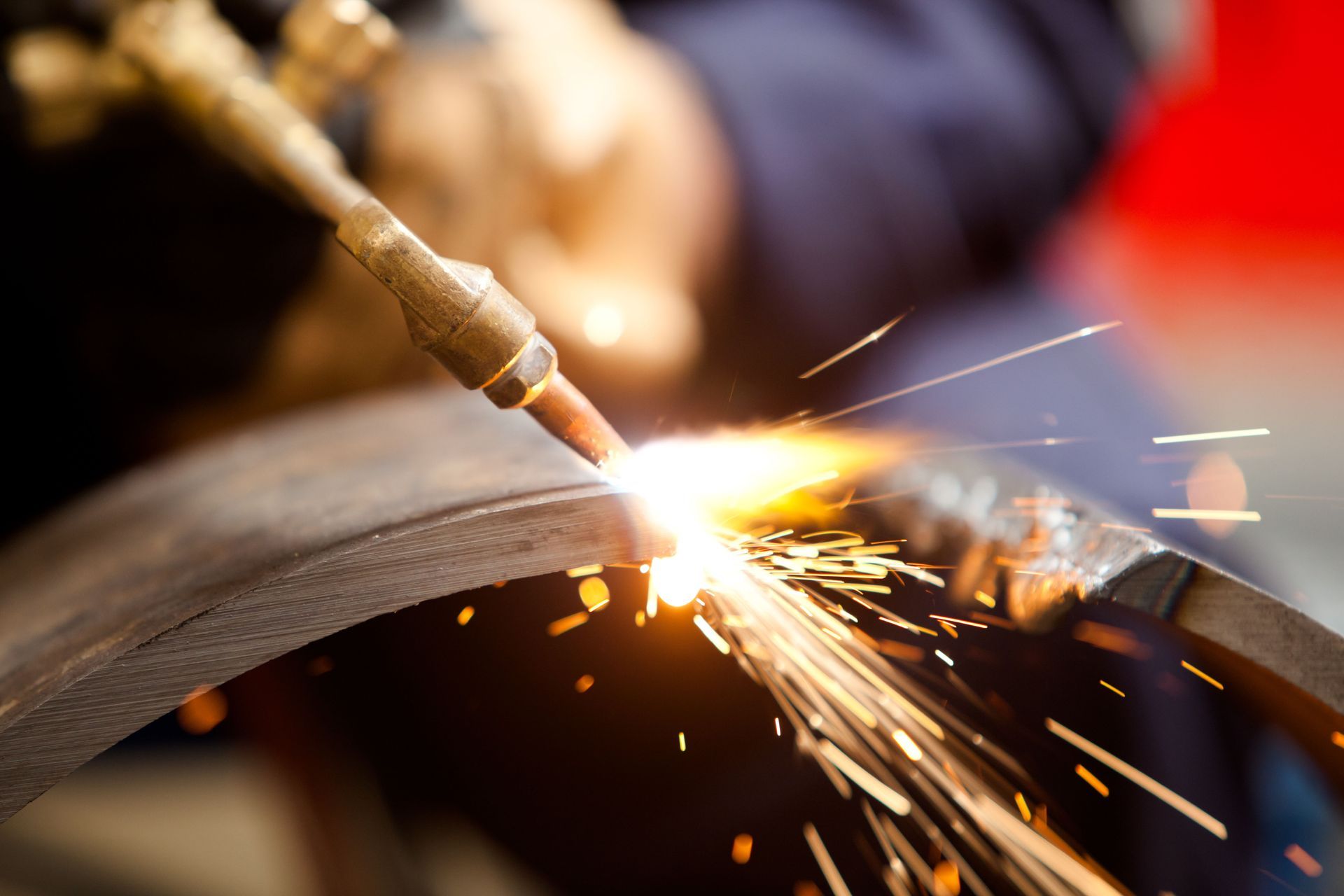
During fabrication, pieces may be cut, drilled, bent, welded, ground, and finished in several stages. Each step requires attention to detail because one inaccurate cut can affect the entire assembly. Clear communication also matters. If a client changes a measurement or site condition shifts, the fabricator must be able to adjust without compromising the project. Consistent accuracy helps ensure the finished product fits properly, looks clean, and functions as intended. It also reduces the need for field modifications, which can be time-consuming and difficult to complete under tight project conditions.
Coordinating Installation With Project Teams
Custom metalwork often needs to fit into a larger schedule. Contractors, property owners, builders, architects, and maintenance teams may all depend on the fabricated components being ready at the right time. A metal fabrication company can help support the overall workflow by coordinating production timelines, delivery needs, and installation requirements.
This coordination is especially important for commercial and construction projects where delays can affect multiple trades. For example, a steel staircase may need to be installed before other finishing work can continue. A platform, beam, or railing system may need to arrive after site preparation but before final inspections. Fabricators who understand scheduling can help reduce confusion and keep the project moving. Their ability to work with other professionals helps custom metal components become part of a smoother, more organized process. Better coordination can also improve safety on-site because crews know when fabricated pieces are arriving and how they should be handled.
Delivering Value Beyond the Final Weld
The value of custom fabrication extends beyond the finished product. Clients benefit from the problem-solving, planning, and craftsmanship that happen throughout the process. A metal fabrication company can identify better ways to achieve a goal, suggest practical improvements, and create components that match the exact needs of a space or structure.
This support is particularly useful when clients are dealing with repairs, upgrades, or specialized requests. Instead of settling for a generic part, they can receive a solution designed for the specific challenge in front of them. That can improve safety, appearance, usability, and long-term performance. Custom fabrication also gives clients more control over dimensions, finishes, and design details, which can be difficult to achieve with off-the-shelf products.
For projects that require strength, accuracy, and adaptability, professional fabrication can make the entire process more successful. From the earliest planning conversations to the final installation, skilled fabricators help turn complex ideas into dependable results. Their work supports better fit, better function, and better long-term value for residential, commercial, and industrial clients. Call Donner Steel Works today to schedule your steel fabrication service.
Share On: