
Why Skilled Workers Matter When Choosing a Metal Fabrication Company
Choosing a fabricator is not only about equipment, capacity, or price. The people operating machines, reviewing drawings, welding components, checking dimensions, and coordinating production play a major role in how accurately a project moves from plans to finished steel. Skilled workers bring practical judgment to processes that still require experience, even when advanced technology is involved.
According to the U.S. Bureau of Labor Statistics, approximately 112,520 welders, cutters, solderers, and brazers worked in fabricated metal product manufacturing in 2025. That workforce helps show how important specialized trades remain within the industry. When evaluating a metal fabrication company, clients should look closely at the experience and capabilities of the people behind the finished work.
Skilled Workers Understand How Drawings Become Fabricated Components
Fabrication begins with specifications, drawings, dimensions, and performance requirements. Those documents guide production, but experienced workers still need to interpret what the project requires and understand how individual components fit into the larger structure or assembly.
Our team works with structural and commercial fabrication projects that can involve custom dimensions, specialized assemblies, and project-specific steel components. Skilled fabricators understand how cuts, holes, weld locations, alignment, and sequencing can affect what happens later during delivery and installation.
That practical understanding matters because a component does not exist in isolation. It may need to connect with other fabricated pieces, align with field conditions, or arrive in a particular sequence. Experienced workers can recognize those relationships while the material is still in the shop.
That experience is especially useful on projects with multiple pieces or phases. Workers who understand the full fabrication sequence can anticipate how one operation affects the next, communicate concerns to the appropriate team members, and help keep production organized as materials move from preparation through fabrication, inspection, and delivery.
Precision Depends on More Than Advanced Equipment
Modern fabrication facilities use equipment designed to improve accuracy and production efficiency. Technology can support precise cutting, shaping, drilling, and other processes, but the results still depend on people who know how to set up, operate, monitor, and verify that equipment.
We use advanced fabrication methods and equipment at our facility, while our team remains responsible for reviewing project specifications throughout production. Skilled operators know that a machine setting, material condition, or measurement deserves attention before a component moves to the next stage.
When selecting a metal fabrication company, ask how quality is checked during production rather than assuming sophisticated machinery automatically eliminates errors. Good equipment and skilled workers should support one another.
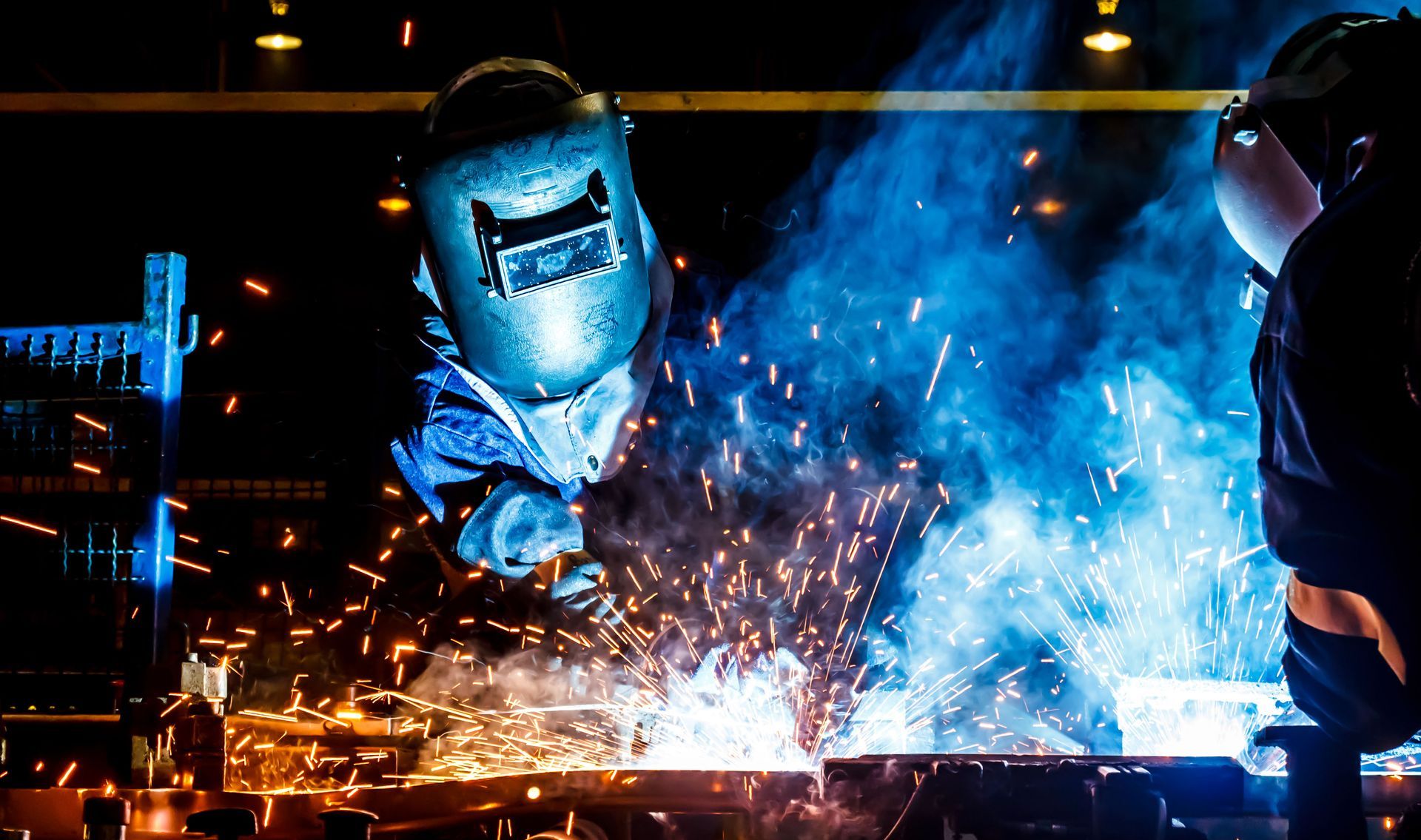
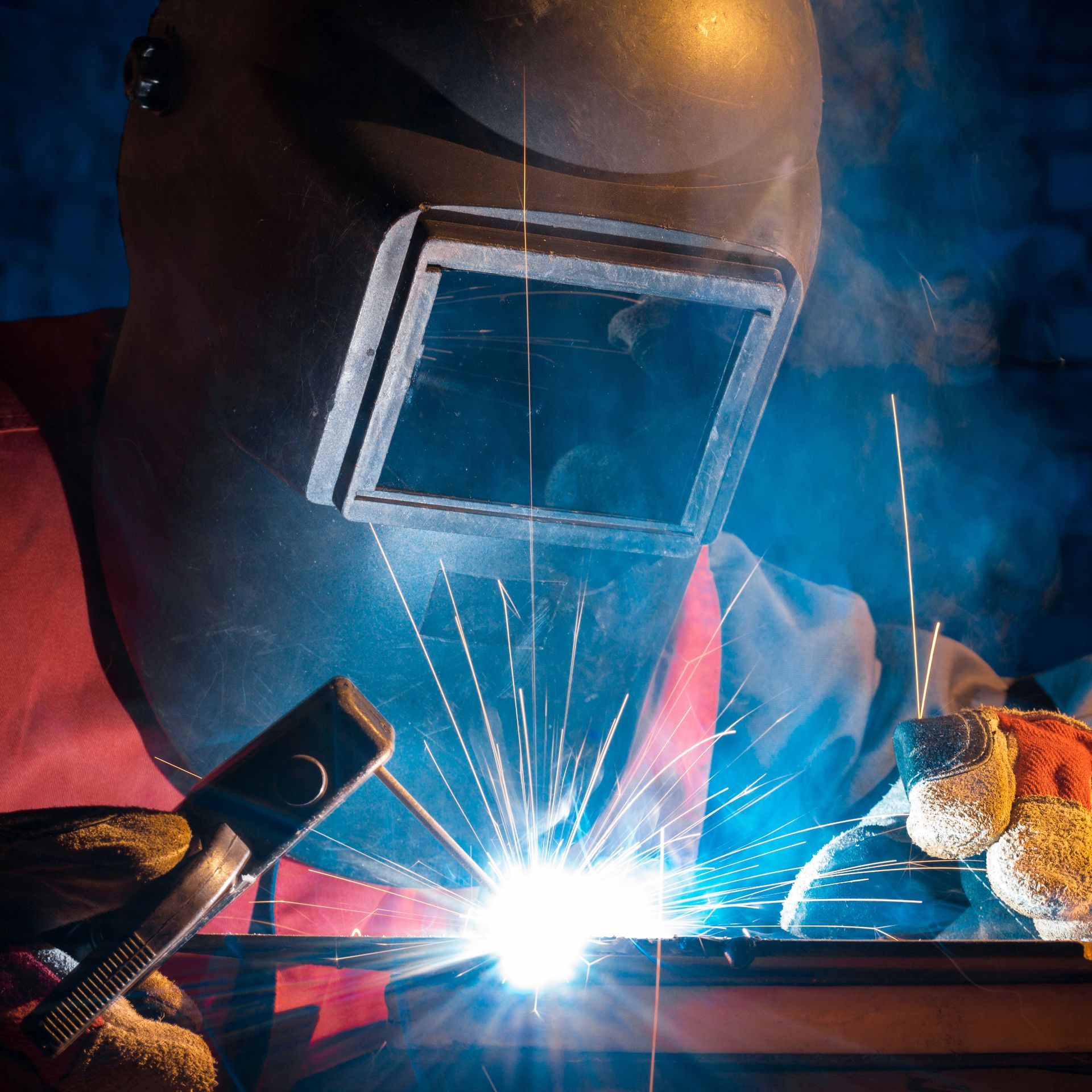
Welding Requires Training, Control, and Consistency
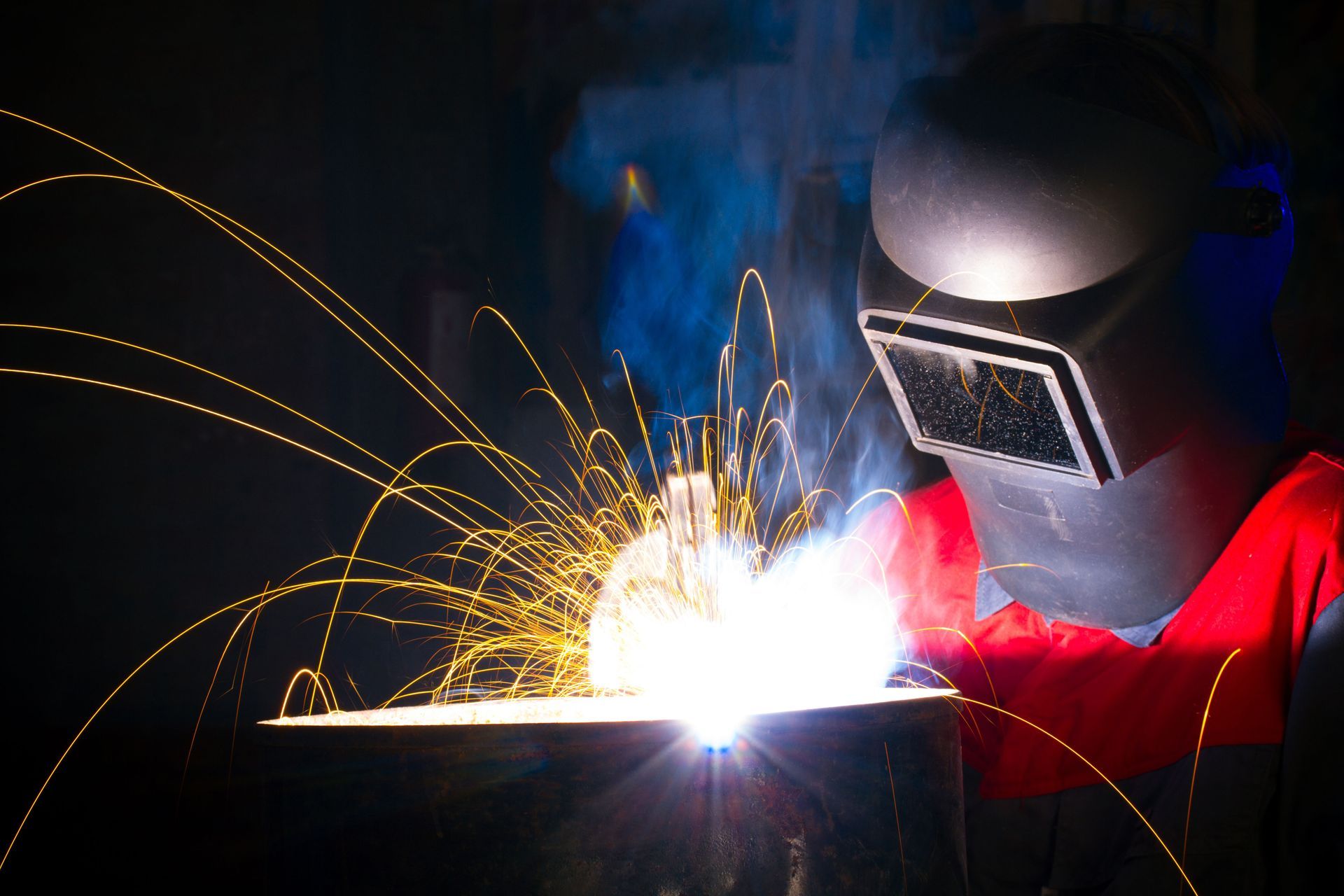
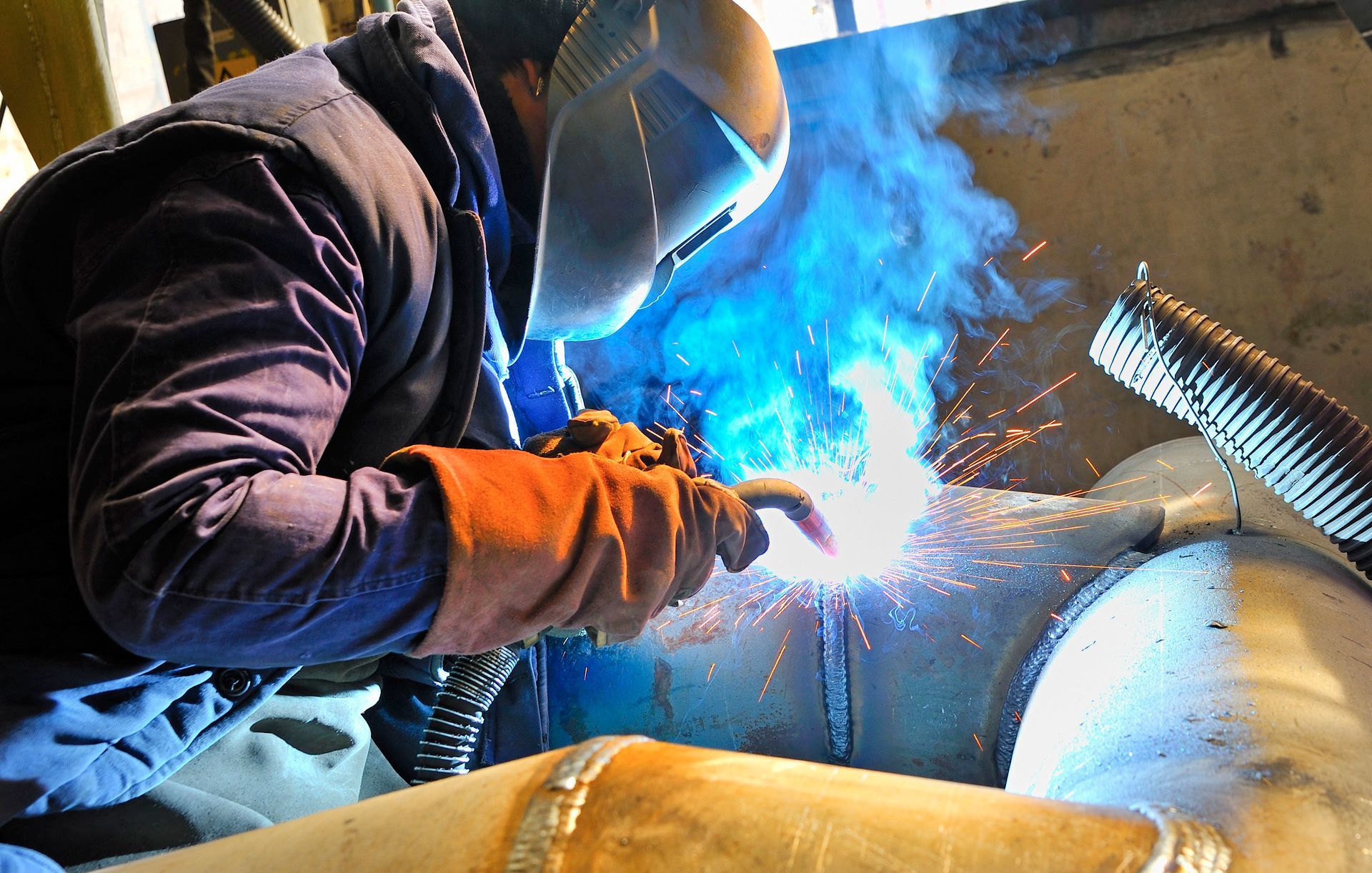
Welding joins steel components that may eventually become part of a commercial building, industrial facility, warehouse, agricultural structure, or specialized installation. The quality of those connections depends on the applicable project requirements, materials, procedures, and workmanship.
Experienced welders understand preparation, fit-up, positioning, and the need to follow established procedures. They also recognize when a joint or component should be reviewed before work continues. That attention can help identify problems earlier in the fabrication process, when corrections may be easier to address.
Our AISC certification reflects established quality requirements within structural steel fabrication. For customers, certification is one useful factor to consider alongside the experience of the workforce performing and reviewing the work.
Experienced Fabricators Support Effective Quality Control
Quality control should occur throughout fabrication rather than only after everything is complete. Materials, measurements, welds, alignment, and finished components may need to be checked at different points before steel is prepared for delivery.
Our process includes reviewing components against project specifications to confirm fit, alignment, and performance expectations before delivery. Skilled workers contribute to that process because they understand what they are looking at and how an issue at one stage can affect later work.
A metal fabrication company with experienced personnel can combine formal quality procedures with practical shop knowledge. That combination helps create a more deliberate process from incoming material through final inspection.
Custom Fabrication Benefits From Hands-On Problem Solving
Custom projects often involve conditions that cannot be handled by simply repeating the same production sequence. Non-standard dimensions, specialized assemblies, architectural details, space limitations, and unusual performance requirements may require adjustments in how components are fabricated.
We provide custom fabrication for clients whose projects call for specialized steel and metal products. Our team works with project information to develop components that align with the intended application, whether the work supports commercial construction, industrial use, retail, agriculture, logistics, or another setting.
Skilled workers are especially valuable in custom fabrication because they can connect the design intent with the realities of cutting, fitting, welding, handling, and assembly. Their experience can help identify practical questions before those questions become jobsite problems.
Fabricators and Contractors Need to Coordinate
Successful fabrication is connected to the larger construction schedule. Steel components need to be produced, organized, transported, and delivered in a way that supports installation. Poor coordination can create confusion even when the individual fabricated pieces are accurate.
Our team emphasizes communication with contractors and project stakeholders so fabrication details can align with construction goals, sequencing, and timelines. Skilled employees understand that labeling, batching, lifting considerations, and delivery order can affect the crews receiving the steel in the field.
This is another reason workforce experience matters when comparing providers. A metal fabrication company should understand not only how to make the component, but also how that component will move through the rest of the project.
Safety Knowledge Matters in a Fabrication Environment
Metal fabrication involves heavy materials, machinery, cutting operations, welding, lifting, and other activities that require established safety practices. A skilled workforce must understand both production procedures and the safety requirements associated with the work.
Our operations are OSHA compliant, and safety is part of how we approach fabrication. Training, appropriate procedures, organized workflows, and attention to equipment all contribute to a safer working environment.
Clients may not see every shop-floor safety practice behind their order, but those practices still matter. A company that treats safety and quality as part of the same operating discipline demonstrates a more structured approach to fabrication.
Experience Helps Teams Respond to Project Changes
Commercial and structural projects can change. Revised drawings, adjusted dimensions, sequencing updates, or new field information may require the fabrication team to adapt. Experienced workers are often better prepared to understand how one change affects related components or production steps.
We have more than 20 years of industry experience and serve projects in Kansas and throughout the contiguous United States. That experience gives our team a broad background in structural steel and commercial fabrication across different project types.
Choosing a metal fabrication company with an experienced workforce can be especially useful when a project requires customization or close coordination. The goal is not simply to react quickly, but to understand the implications of a change before moving forward.
Skilled People Help Turn Capacity Into Reliable Service
Facility size, machinery, and production capacity are important considerations, but they do not tell the whole story. The people using those resources determine how effectively specifications are followed, quality checks are performed, problems are communicated, and custom requirements are handled.
We are a family-owned business providing structural steel fabrication, commercial metal fabrication, and custom fabrication for projects in Kansas and across the continental United States. Our team combines industry experience with AISC-certified fabrication practices, OSHA-compliant operations, advanced equipment, and project-specific service.
If you are planning a commercial, industrial, agricultural, or specialty steel project, contact Donner Steel Works for a free estimate. When you choose a metal fabrication company, consider the workforce behind the equipment as carefully as the equipment itself. Our skilled team is ready to review your drawings, specifications, timeline, and fabrication needs.
Share On: