
Why Workplace Safety Matters When Choosing a Metal Fabrication Company
Choosing a manufacturing partner involves more than comparing prices, materials, and production capabilities. Workplace safety is another important factor, as metal fabrication requires specialized equipment and processes that can put employees at risk. Understanding how manufacturers approach safety can help businesses identify a reliable partner that values employee well-being, regulatory compliance, and consistent workmanship.
Understanding Workplace Safety in Metal Fabrication
Workplace safety should be a major consideration when choosing a metal fabrication company. Metal fabrication involves potentially hazardous activities, including welding, cutting, grinding, and operating heavy machinery. Without appropriate precautions, these tasks can expose employees to serious injuries and long-term health risks. A company's approach to safety reveals how well it protects its workforce and maintains reliable operations. When evaluating a potential manufacturing partner, businesses should consider whether its safety practices reflect the standards expected of a responsible metal fabrication company.
Recognizing Common Workplace Hazards
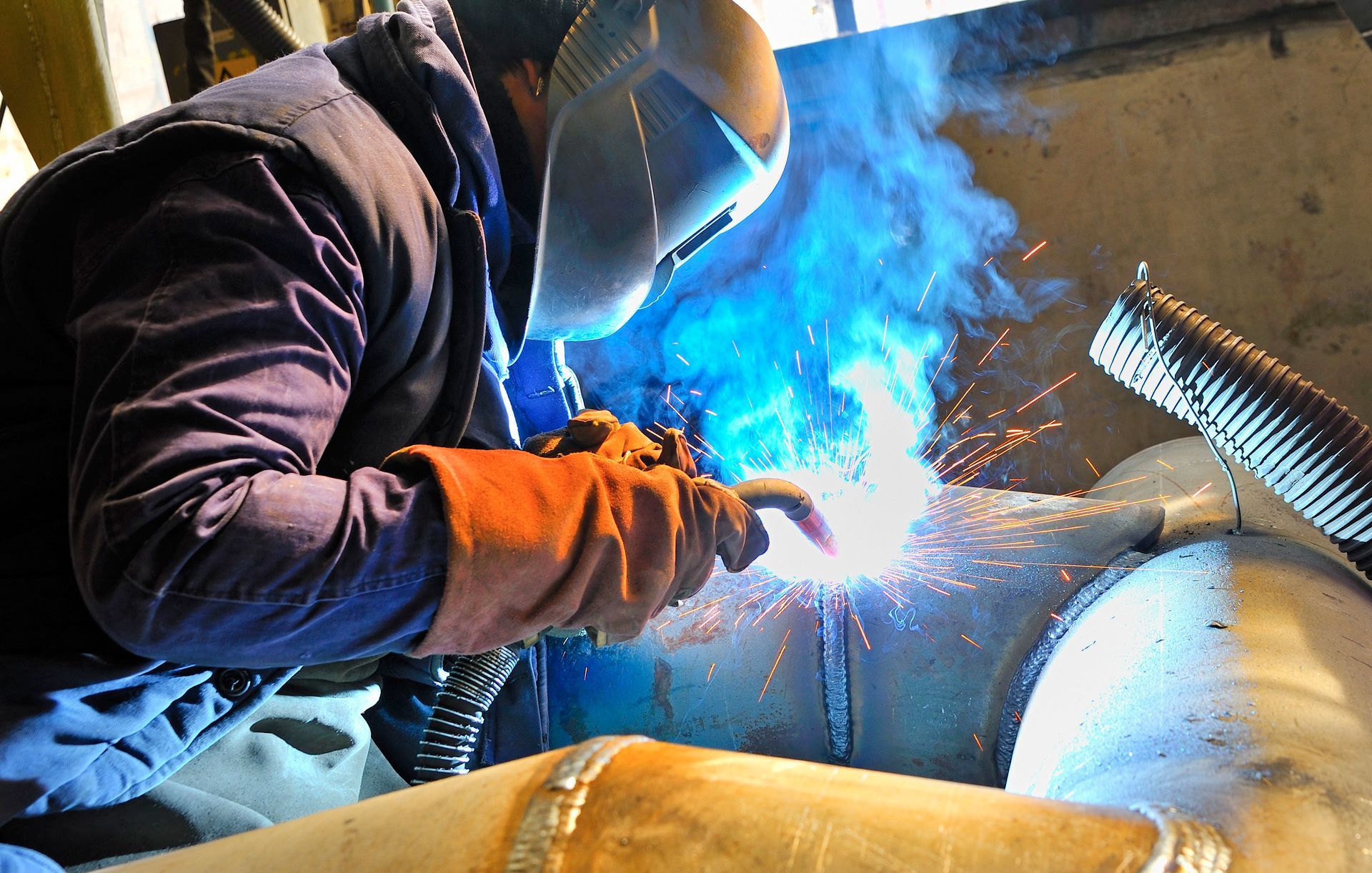
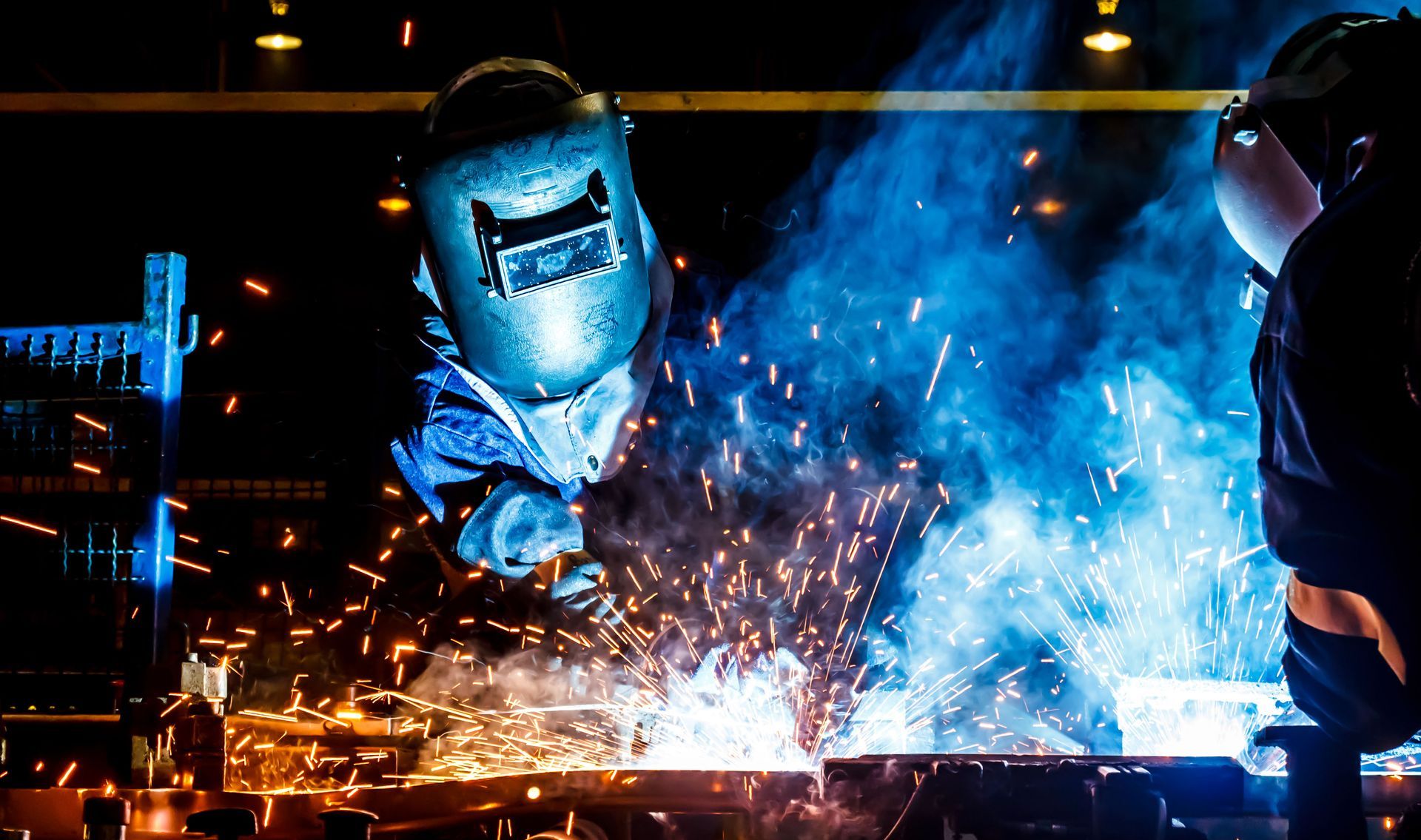
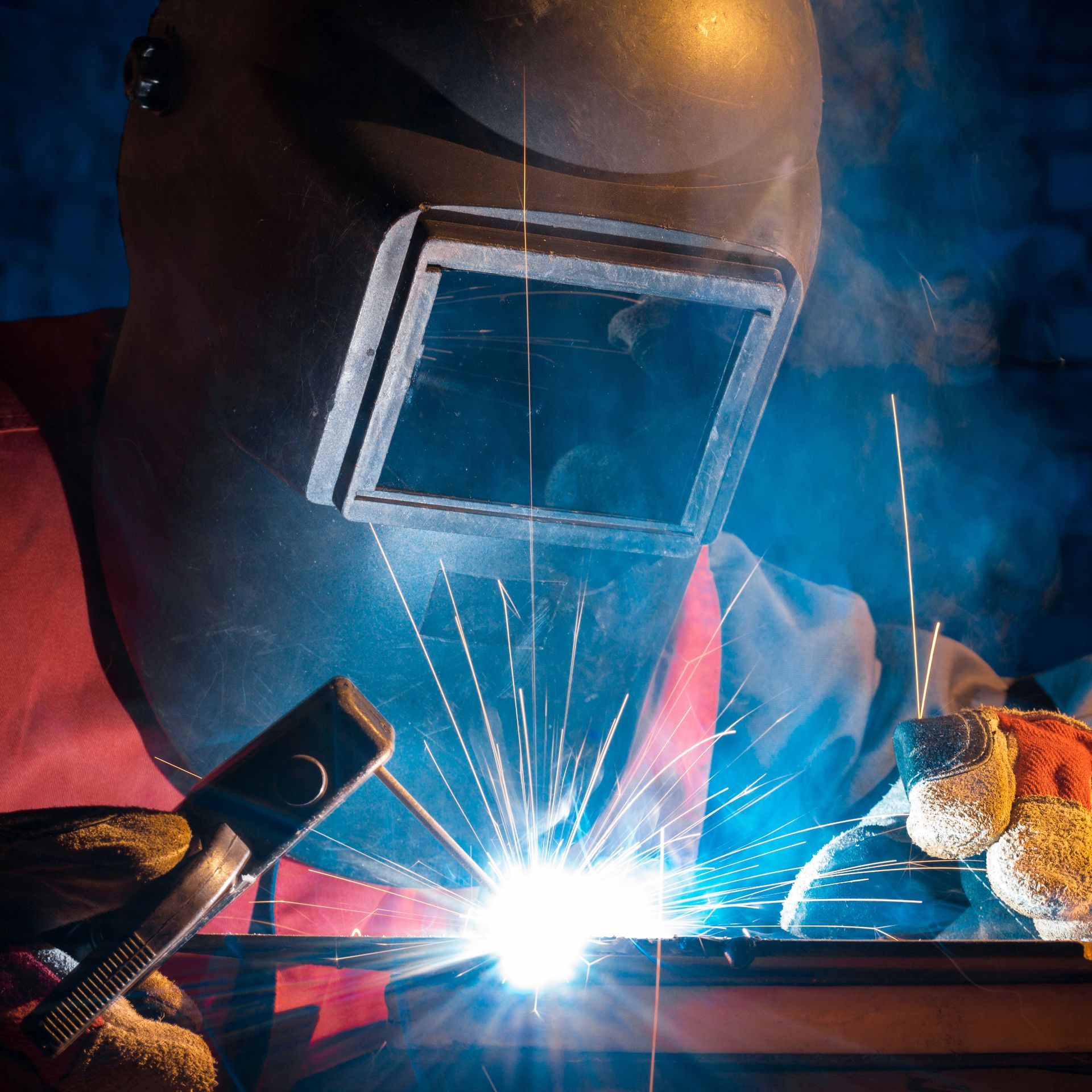
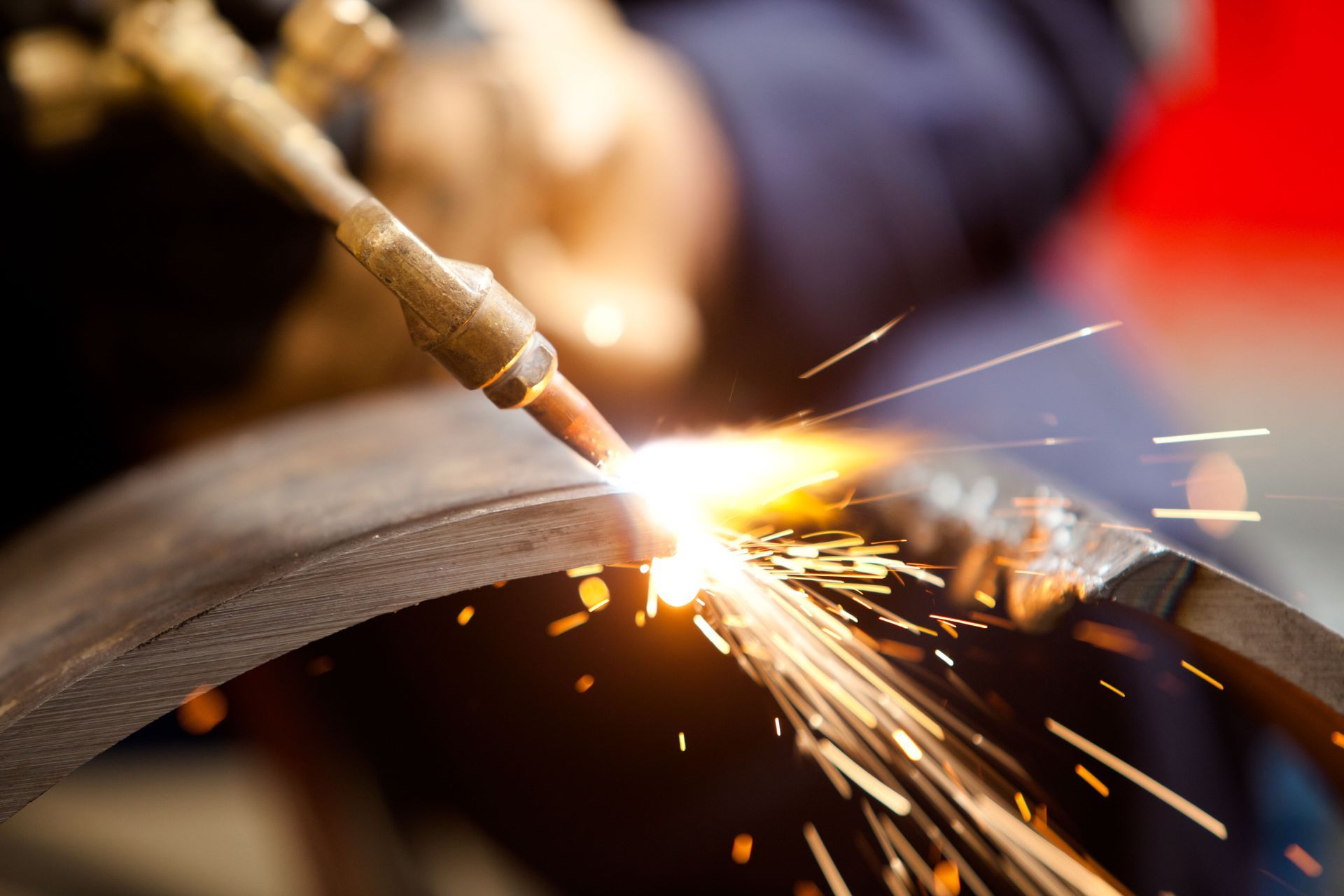
Metal fabrication facilities contain several potential hazards. Sharp metal edges can cause cuts, while heavy materials and machinery create risks of crushing injuries. Welding and cutting operations may expose employees to sparks, extreme heat, and hazardous fumes. Excessive noise can also contribute to hearing damage. Identifying these risks helps manufacturers establish procedures that prevent workplace incidents.
Following Industry Safety Standards
Occupational Safety and Health Administration (OSHA) regulations establish guidelines for protecting employees in manufacturing environments. These standards address machine guarding, ventilation, hazardous material handling, and protective equipment. Compliance demonstrates that a business takes its legal responsibilities seriously and prioritizes safe working conditions. A metal fabrication company that follows these guidelines shows its commitment to maintaining responsible operations.
Understanding the Consequences of Unsafe Conditions
Workplace accidents can have serious consequences for employees and businesses alike. According to the U.S. Bureau of Labor Statistics, fabricated structural metal manufacturing recorded 3.4 workplace injury and illness cases per 100 full-time workers. This figure highlights the importance of maintaining effective safety procedures. Injuries can result in medical expenses, missed workdays, production interruptions, and long-term health complications. Consistent safety practices help reduce these risks.
Evaluating the Financial Benefits of Workplace Safety
Workplace safety is not simply an operational requirement. It also influences a manufacturer's financial stability and ability to serve customers consistently. Businesses that invest in employee protection can avoid many expenses associated with workplace incidents while maintaining efficient production processes. Choosing a metal fabrication company with established safety procedures can help customers avoid unnecessary project disruptions.
Reducing Injury-Related Expenses
Workplace injuries create direct and indirect expenses. Direct costs may include medical treatment, rehabilitation, workers' compensation, and legal fees. Indirect costs can involve replacing injured employees, investigating incidents, and addressing production delays. Preventive measures, such as equipment maintenance and employee training, help limit these expenses. Investing in prevention is often more economical than managing the consequences of an avoidable accident.
Maintaining Insurance and Regulatory Compliance
A company's safety history can influence its insurance costs and regulatory standing. Frequent workplace incidents may contribute to higher workers' compensation expenses and insurance premiums. Businesses that fail to meet safety requirements may also face inspections, citations, and financial penalties. Maintaining appropriate safeguards helps manufacturers demonstrate their commitment to compliance and responsible operations.
Improving Long-Term Operational Stability
A safe manufacturing environment supports consistent production by reducing unexpected interruptions. When employees understand safety procedures and equipment receives proper maintenance, daily operations can proceed more efficiently. Fewer incidents also mean less time spent addressing emergencies and reorganizing production schedules. Over time, these improvements contribute to better resource management and more predictable project timelines.
Meeting Legal and Regulatory Responsibilities
Manufacturers must understand and follow the safety requirements that apply to their operations. Regulatory compliance protects employees while helping businesses maintain professional standards. It also demonstrates that management takes responsibility for identifying workplace risks and addressing them appropriately.
Maintaining OSHA Compliance
OSHA establishes workplace safety requirements covering many activities performed in metal fabrication facilities. These include proper machine operation, electrical safety, respiratory protection, and hazardous material management. Regular safety assessments help identify areas where procedures or equipment need improvement. Consistent compliance also shows that a business recognizes the importance of protecting employees.
Updating Workplace Safety Policies
Manufacturing practices can change as equipment, materials, and technologies evolve. Companies should periodically review their policies to ensure procedures remain relevant. Updates may involve introducing new protective equipment, revising emergency instructions, or addressing hazards associated with recently installed machinery. Employees should receive appropriate training whenever important procedures change.
Preventing Legal and Operational Complications
Ignoring workplace safety requirements can lead to serious legal and financial consequences. Regulatory violations may result in fines, corrective action requirements, and operational restrictions. These complications can damage a manufacturer's reputation and strain customer relationships. A proactive approach to compliance helps businesses avoid unnecessary disruptions while reinforcing responsible manufacturing practices.
Supporting Employee Morale and Productivity
Employees play an essential role in successful metal fabrication operations. Their experience, knowledge, and attention to detail directly influence production quality. Creating a safe workplace helps employees perform their responsibilities with greater confidence while encouraging communication and teamwork. A metal fabrication company that supports its workforce can build a more dependable production team.
Building Employee Confidence
Workers are more comfortable performing demanding tasks when they know their employer takes safety seriously. Accessible protective equipment, clear operating instructions, and regular training help employees understand how to manage workplace risks. When employees feel that management values their well-being, they may also develop stronger trust in their workplace.
Encouraging Training and Communication
Effective safety programs depend on employees understanding how to recognize and respond to potential hazards. Training should address equipment operation, material handling, emergency procedures, and personal protective equipment. Workers should also feel comfortable reporting unsafe conditions and recommending improvements. Regular safety discussions give management opportunities to address concerns and reinforce expectations.
Strengthening Retention and Production Quality
A positive safety culture can contribute to employee satisfaction and retention. Workers who feel protected and respected may be more inclined to remain with their employer, reducing recruitment and training expenses. Experienced employees also bring valuable knowledge of manufacturing processes and quality expectations. Preserving these skills can contribute to more consistent production.
Choosing a Responsible Metal Fabrication Partner
Customers should look beyond equipment capabilities and production costs when evaluating potential manufacturing partners. A company's safety practices provide insight into its management standards, employee training, and overall approach to quality. Evaluating these factors helps businesses make informed decisions about which metal fabrication company best fits their needs.
Reviewing Safety Records and Procedures
Before selecting a manufacturer, ask about its workplace safety policies and how regularly they are reviewed. Safety documentation, training programs, and inspection procedures can demonstrate how a business manages potential hazards. Customers may also want to ask how the company investigates incidents and implements corrective measures. A willingness to discuss these practices openly can indicate that management takes employee protection seriously.
Observing Equipment and Facility Conditions
Visiting a manufacturing facility provides an opportunity to observe its working environment firsthand. Look for organized workspaces, maintained machinery, appropriate ventilation, and accessible safety equipment. Employees should understand operating procedures and use protective gear appropriate for their tasks. These observations can help customers determine whether safety guidelines are incorporated into everyday operations.
Assessing Commitment to Continuous Improvement
Workplace safety requires ongoing attention rather than a one-time investment. Manufacturers should regularly evaluate procedures, maintain equipment, and provide updated employee training. A metal fabrication company that continually reviews its practices demonstrates a commitment to employee well-being and operational excellence. This approach can contribute to dependable production and stronger customer relationships.
Making Workplace Safety a Priority
Choosing a manufacturing partner that values workplace safety benefits employees, customers, and the business itself. Strong safety practices help prevent injuries, support regulatory compliance, reduce operational expenses, and encourage consistent production. Evaluating safety policies, employee training, and facility conditions can help customers identify a dependable partner.
For businesses seeking a manufacturer that values responsible practices and quality workmanship, Donner Steel Works is worth considering. Contact the team to discuss your metal fabrication needs and learn more about its capabilities. Selecting a manufacturer committed to safe operations is an important step toward building a productive and reliable business relationship.
Share On: