
How Structural Steel Fabrication Supports Sustainable Commercial Construction
Sustainable commercial construction depends on more than choosing one environmentally responsible material. Designers, contractors, and owners also have to consider how materials are produced, installed, adapted, and eventually recovered. Structural steel fits naturally into that conversation because it combines strength, precision, recyclability, and opportunities for efficient off-site fabrication.
According to the American Institute of Steel Construction, approximately 98% of structural steel is recovered for recycling at the end of its useful life. That high recovery rate gives steel an important role in circular construction practices. Structural steel fabrication can support that advantage by producing components accurately, coordinating them with project plans, and helping commercial construction teams use steel efficiently from fabrication through installation.
Steel Fits Into a Circular Material System
One of steel’s strongest sustainability characteristics is what happens after a structure reaches the end of its service life. Structural components can be recovered as scrap and returned to steel production instead of becoming construction waste. In some cases, steel members may also be evaluated, refabricated, and reused.
The American Institute of Steel Construction reports that structural steel produced in the United States also contains a high percentage of recycled content. That means the material can participate in a cycle in which recovered steel becomes feedstock for new products.
For commercial project teams considering material life cycles, this distinguishes a material that is theoretically recyclable from one actually recovered at a high rate. We fabricate structural steel for projects that need dependable components while benefiting from steel’s established recycling infrastructure.
Precision Fabrication Can Help Limit Material Waste
Sustainability also involves how efficiently material is used before it reaches the building. Structural components are fabricated to project specifications, which allows dimensions, connection points, holes, cuts, and other details to be planned before the steel arrives on site.
Our structural steel fabrication process emphasizes accurate measurements and careful preparation. Working from engineering drawings and project requirements allows components to be produced for their intended locations rather than relying on extensive field modification after delivery.
This precision can help limit avoidable waste and reduce cutting, adjustment, or rework at the jobsite. Scrap generated during fabrication can also enter recycling streams. For contractors pursuing efficient construction practices, accurate fabrication is one practical way to make better use of purchased material.
Off-Site Work Can Make Construction More Efficient
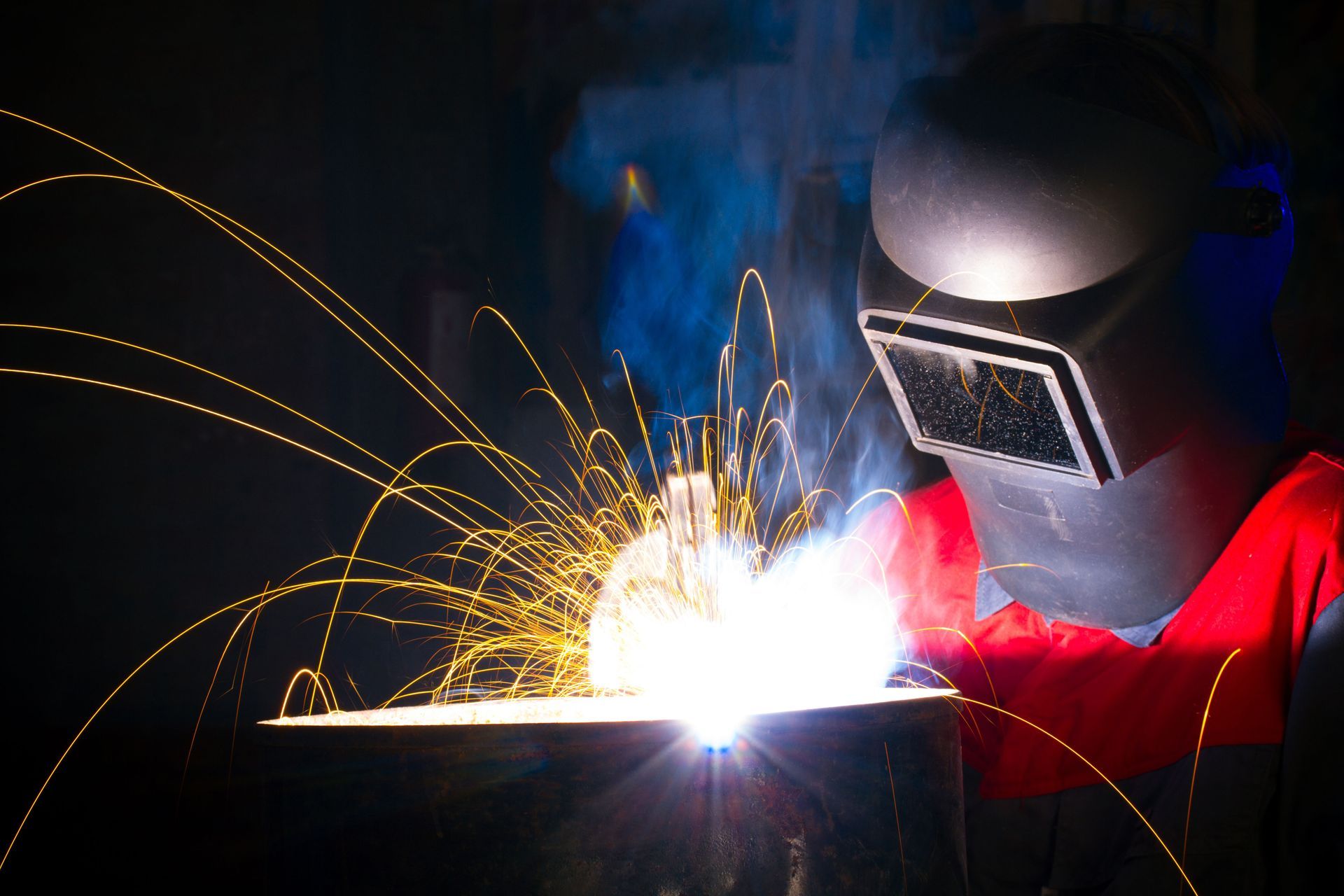
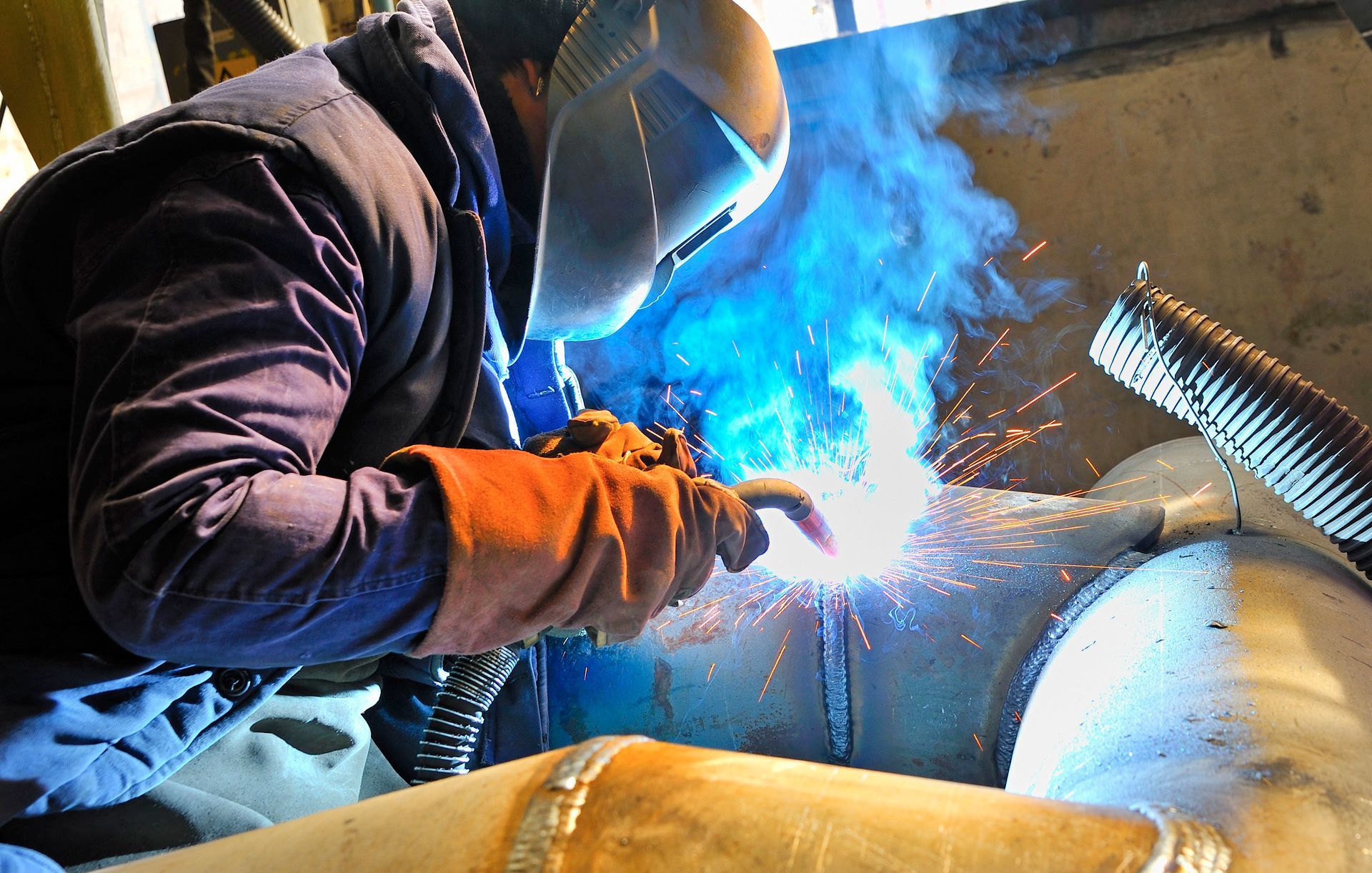
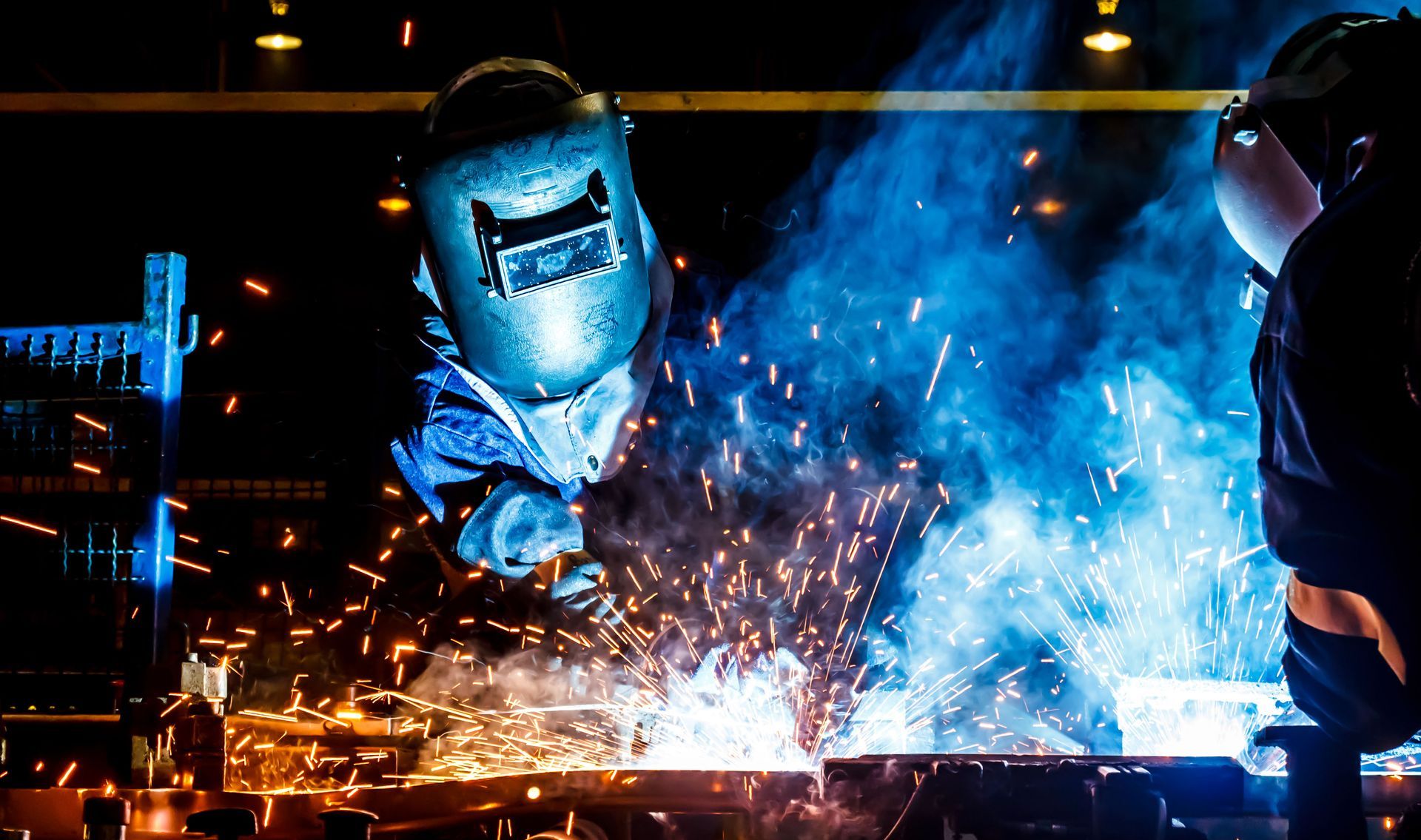
Fabricating steel in a dedicated facility moves many production activities away from the construction site. Components can be cut, assembled, welded, inspected, organized, and prepared for delivery before installation crews need them.
We use advanced fabrication equipment and an experienced workforce to produce structural beams, joists, decking, stairs, rails, commercial gates, and custom components. Completing this work in a controlled environment allows our team to focus on measurements, tolerances, connection details, and quality before material is shipped.
For commercial construction teams, that preparation can support a more organized installation sequence. Fewer field changes can mean less disruption, and components can be delivered in phases based on project needs. Structural steel fabrication therefore supports sustainability through both the material and an efficient preparation process.
Accurate Components Can Reduce On-Site Rework
Rework consumes time, labor, equipment, and materials. If a component arrives with incorrect dimensions or incompatible connections, crews may have to modify it on site, delay installation, or send it back for correction.
Our team coordinates fabrication details with engineering plans, architectural intent, and installation requirements. We pay close attention to measurements, tolerances, and connection points so fabricated steel is prepared to fit as intended when it reaches the jobsite.
Field conditions, revised drawings, or updated requirements can still affect a job. However, careful fabrication gives contractors a stronger starting point and can reduce preventable adjustments. A well-coordinated fabrication process supports more efficient use of material and labor.
Steel Can Support Adaptable Commercial Buildings
Sustainability can also involve keeping a building useful for a longer period rather than replacing it when needs change. The American Institute of Steel Construction notes that steel framing can accommodate changes such as new loading conditions, vertical expansion, and changes in occupancy.
That adaptability can be valuable in commercial construction. Warehouses, industrial facilities, retail buildings, and other properties may need to accommodate different equipment, tenants, layouts, or operational requirements over time.
Steel does not make every future modification simple, and changes still require appropriate engineering. However, its ability to be altered, reinforced, or expanded can give design teams options as building use evolves. We support commercial and industrial projects where custom components must align with current plans and long-term goals.
Coordination Can Support Efficient Delivery and Installation
A sustainable construction process also benefits from thoughtful logistics. Steel components that arrive too early may require additional storage and handling, while late deliveries can interrupt installation schedules. Organizing fabrication and delivery around the construction sequence can reduce unnecessary movement on site.
We work with contractors and project teams to align fabrication schedules with installation needs. Components can be organized, labeled, inspected, and delivered according to the project sequence when requirements are established in advance.
This coordination is especially valuable on multi-phase commercial developments. Structural steel fabrication can follow the order in which crews need beams, joists, decking, stairs, rails, or other components. Better sequencing can support efficient use of site space, labor, equipment, and material handling.
Quality Control Supports Long-Term Performance
Material sustainability is not only about recycling. A component also needs to perform as intended during its service life. Accurate fabrication, appropriate welding procedures, dimensional checks, and consistent quality practices all contribute to how fabricated steel fits into the completed structure.
We are certified by the American Institute of Steel Construction and follow established quality standards for our structural steel work. Our team reviews project requirements throughout fabrication and inspects components before delivery.
Quality control cannot guarantee that a building will never require maintenance or modification. It does help establish a disciplined process for producing components to specified requirements. In sustainable commercial construction, that accuracy supports the broader goal of avoiding unnecessary correction or premature replacement.
Custom Fabrication Can Help Projects Use Steel Purposefully
Commercial buildings are not all designed around identical structural requirements. Loads, spans, architecture, equipment, access, and site conditions can all influence the steel components a project needs.
Our custom fabrication capabilities allow us to produce components according to project-specific drawings and requirements. Instead of forcing a design to work around a limited catalog of standard pieces, custom fabrication can support the structural and architectural intent established by the project team.
This ability can help designers and contractors use steel where it serves a clear purpose. Structural steel fabrication works best when material, dimensions, connections, and construction sequence are considered together. Thoughtful fabrication can therefore support project performance and efficient resource use.
Choose a Fabricator That Understands the Bigger Project
Sustainable commercial construction is shaped by many decisions made across design, engineering, procurement, fabrication, installation, operation, and eventual deconstruction. Steel’s high recovery rate is an important advantage, but the way components are planned and fabricated also matters. Those choices can influence material efficiency across the project.
Donner Steel Works has provided structural steel services since 2005 and serves commercial, industrial, institutional, infrastructure, and specialty projects throughout the contiguous United States. We are family owned, AISC certified, OSHA compliant, and offer free estimates for projects requiring structural beams, joists, decking, stairs, rails, gates, and custom steel components.
If your next commercial project calls for structural steel fabrication, contact Donner Steel Works for a free estimate. Our team can review your engineering drawings, fabrication requirements, construction sequence, and delivery needs to help produce accurate steel components that fit into an efficient and well-coordinated project.
Share On: