
How Does Steel Fabrication Meet Engineering and Design Specs?
Steel fabrication is a cornerstone of modern engineering and design, providing the building blocks for the infrastructure and products that define our daily lives. From skyscrapers soaring into the skyline to precision-engineered components in vehicles, the ability of steel fabricators to meet specific engineering and design specifications ensures not only functionality but also safety and longevity. The intricate process of transforming raw steel into usable parts demands a precise understanding of both material and design requirements, aligning with the evolving demands of various industries.
Consider the Meticulous Process
To meet engineering and design specifications, steel fabrication involves a meticulous process starting with detailed design and planning. Engineers and designers collaborate closely with fabricators to create comprehensive blueprints that outline every aspect of the project. These blueprints are crucial as they include specifications on dimensions, materials, and structural integrity. Utilizing advanced software, fabricators can simulate different scenarios and adjust designs to optimize performance and safety, ultimately ensuring the final product meets the required standards.
Adapt to Ever-Changing Market
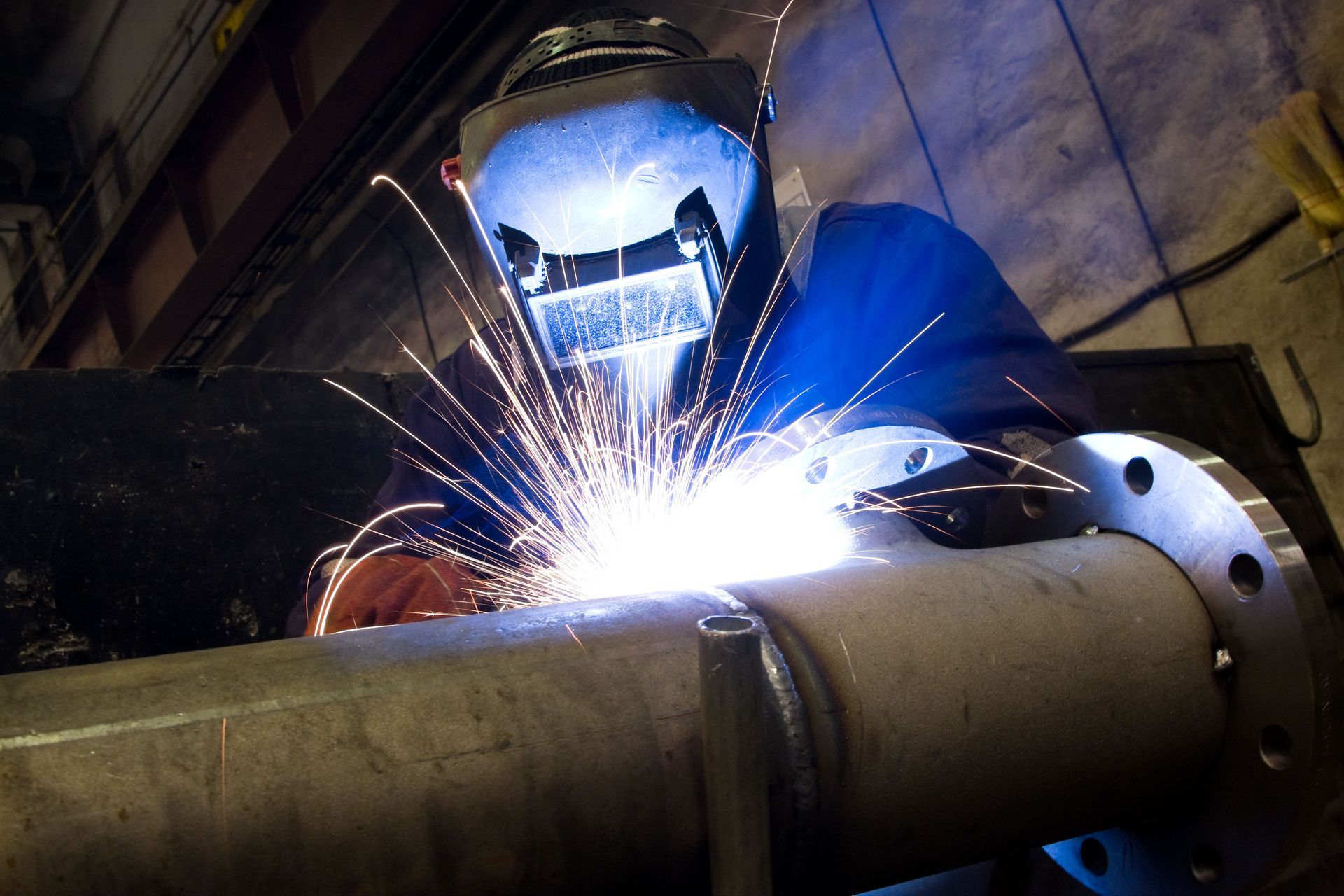
A key element of steel fabrication is the ability to adapt to the ever-changing market and material technologies. According to IBISWorld, the market size of the U.S. iron and steel manufacturing industry is forecasted to grow at a compound annual growth rate of 3.7% from 2020 to 2025. This growth signifies increased demand and opportunities for innovation in fabrication techniques. By employing state-of-the-art machinery and techniques, including laser cutting and robotic welding, fabricators can produce precise and reliable components that adhere to specific standards and codes.
Consider the Quality Control
Quality control is critical in steel fabrication to match engineering and design specifications. Multiple stages of inspection and testing are conducted to ensure that each stage of fabrication aligns with the set criteria. Non-destructive testing methods, such as ultrasonic or radiographic testing, help verify the integrity of welds and joints. This rigorous approach to quality assurance helps mitigate the risk of structural failures and ensures that the fabricated steel components perform as intended in their final application.
Steel fabrication is a dynamic process that bridges the gap between imaginative design and practical application. By integrating cutting-edge technologies, meticulous planning, and rigorous quality assurance, fabricators can confidently deliver products that meet stringent engineering and design specs. If you're looking for steel fabrication services, contact Donner Steel Works today.
Share On: