
Why Quality Control Matters in Every Step of Metal Fabrication
Why quality control matters isn't just a philosophical question. It's a practical one with real consequences for safety, performance, and long-term durability. In industries that rely on precision-built steel components, even small inconsistencies can ripple outward into major structural or financial problems. That's why quality control remains a defining standard across every stage of metal fabrication, from material selection to final inspection.
1. Establish Standards at the Raw Material Stage
Quality control begins long before cutting or welding ever starts. Raw steel must be evaluated for composition, strength, and consistency to ensure it meets exact project specifications. According to IBISWorld, there are 156 businesses operating in the U.S. iron and steel manufacturing industry, which means competition is high and standards matter. Companies that prioritize material verification reduce downstream issues and set the foundation for dependable metal fabrication outcomes.
2. Monitor Precision During Fabrication Processes
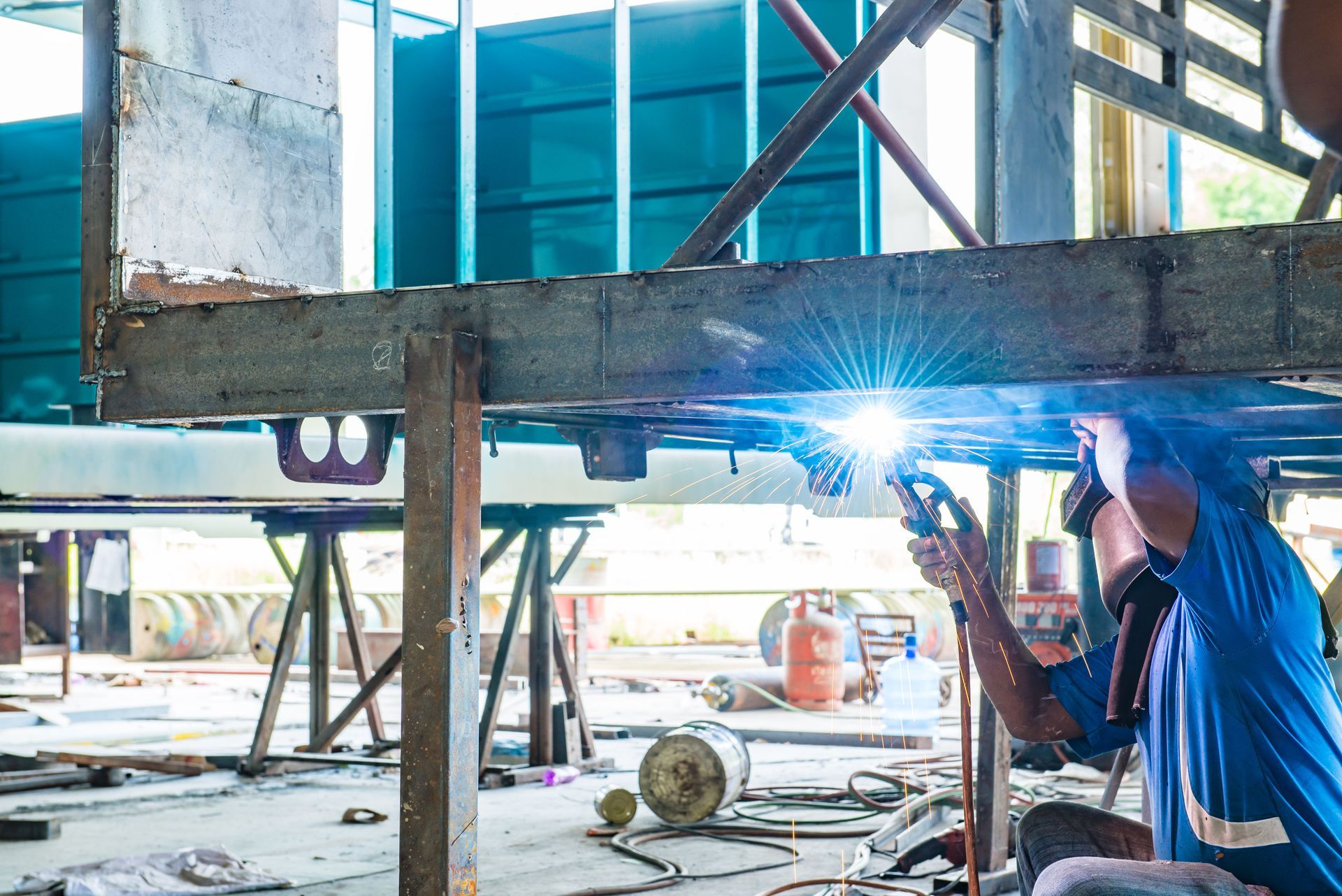
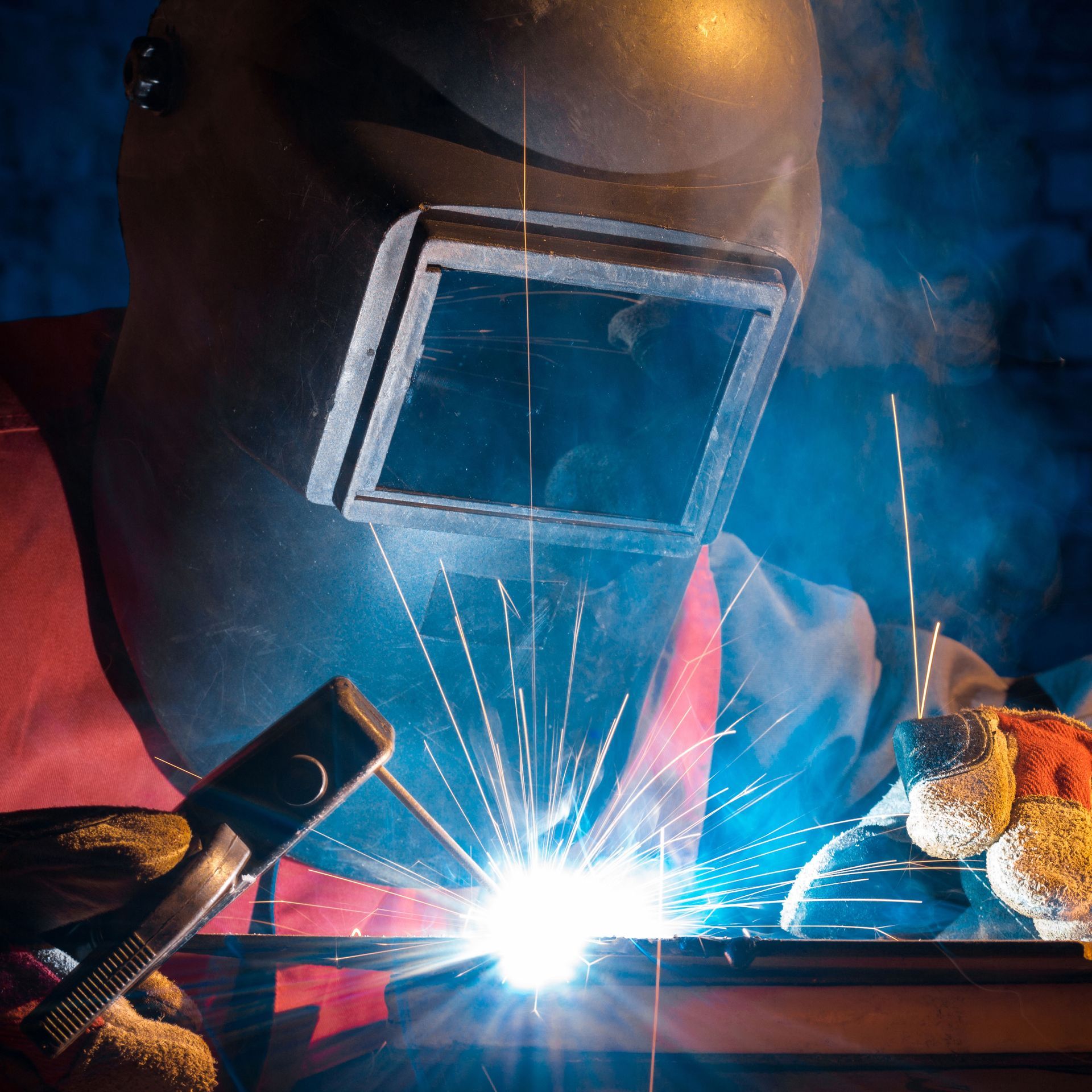
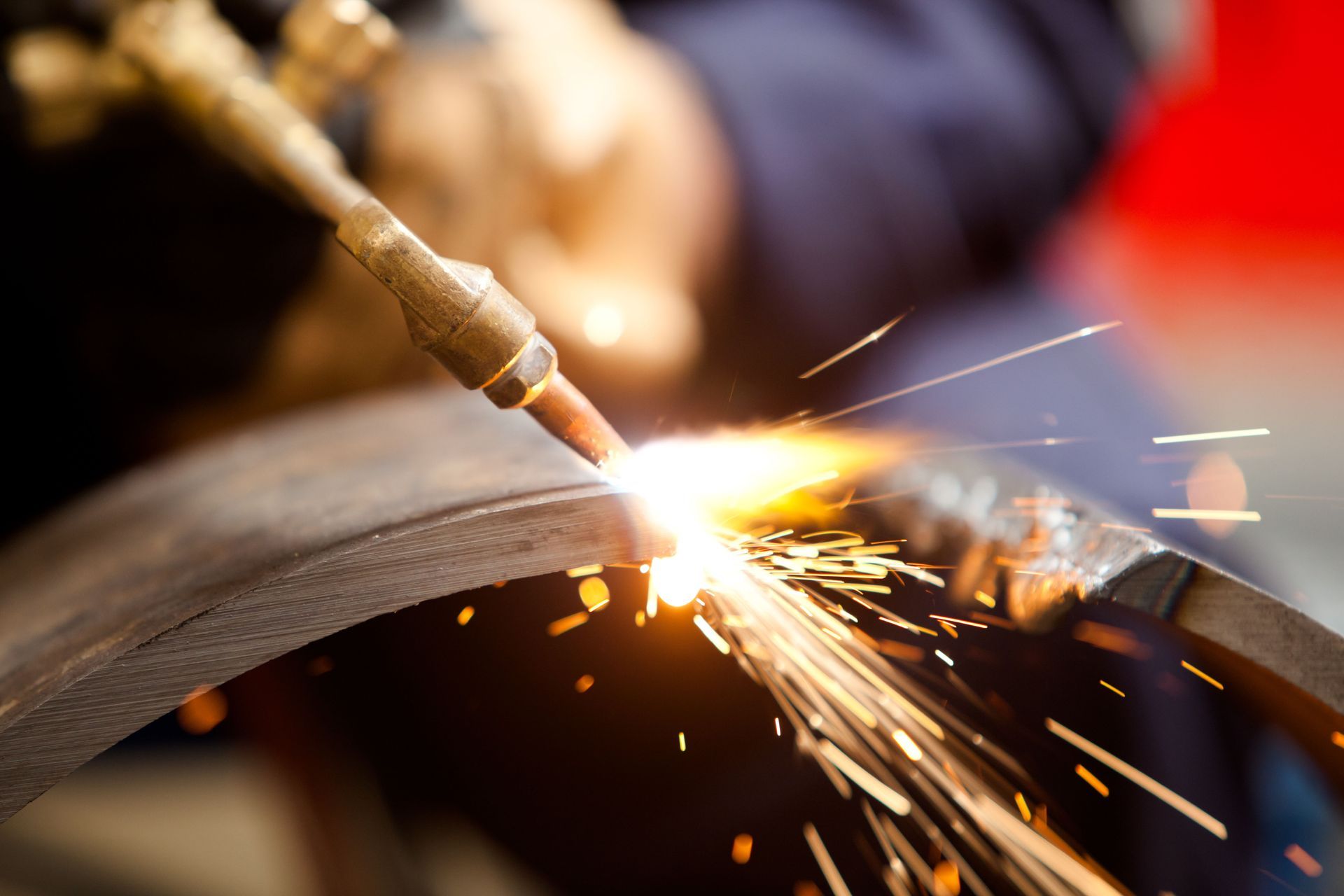
As steel moves through cutting, bending, and welding, continuous oversight ensures tolerances are met and errors are corrected early. Precision checks during fabrication protect structural integrity and prevent flaws that could weaken beams, joists, or decking systems. Consistent monitoring also minimizes rework, saving time and cost while reinforcing the reliability expected from professional metal fabrication operations.
3. Validate Strength Through Final Testing
Once fabrication is complete, comprehensive inspections confirm that finished components meet both design and safety requirements. Load testing, dimensional checks, and surface inspections verify that each piece performs as intended. These final evaluations are essential in
metal fabrication projects where components must support significant weight or integrate seamlessly into larger structural systems.
4. Reinforce Confidence Through Consistent Quality Control
Strong quality control practices do more than catch defects. They reinforce confidence among engineers, contractors, and property owners. When fabrication partners deliver consistent results, projects stay on schedule and risks stay low. Over time, this reliability becomes a competitive advantage and a defining characteristic of high-performing fabrication shops.
Quality control influences every phase of metal fabrication, shaping the safety, efficiency, and longevity of steel structures. From raw materials to final delivery, disciplined standards protect both the product and the people who rely on it. When quality is treated as a process rather than a checkpoint, the results speak for themselves.
If you're looking for dependable fabrication backed by proven standards, Donner Steel Works is here to help. As an American Institute of Steel Construction Certified shop, we offer free estimates and expert services, including structural steel fabrication, custom stairs, beams, joists, and decking. Reach out today and let us support your next project with precision you can count on.
Share On: