
How Material Sourcing Affects Commercial Metal Fabrication Projects
Every successful commercial build begins long before the first spark flies on the shop floor. When your business invests in commercial metal fabrication, the origin, grade, and availability of raw steel directly shape your budget, construction schedule, and building performance. Understanding how material sourcing drives every phase of production helps you make smarter decisions and protect your bottom line.
Evaluating Raw Material Quality and Structural Integrity
The strength of your finished structure depends entirely on the raw steel selected at the start of the project. Steel mills produce alloys with varying chemical compositions, yield strengths, and tolerances, and choosing the right grade prevents premature wear, warping, or structural failure. When your fabricator sources certified steel from vetted mills, every beam, plate, and column arrives with verifiable mill test reports confirming it meets exact engineering specifications.
Substandard or poorly traced steel creates hidden liabilities that surface during cutting, welding, or final installation. Inconsistent alloy blends can cause weak weld joints, unexpected brittleness under heavy loads, or accelerated corrosion in harsh environments. By prioritizing verified material sourcing in commercial metal fabrication, you ensure your industrial facility, retail center, or warehouse performs reliably for decades.
Navigating Global Supply Chains and Lead Times
Steel markets shift constantly in response to global production capacity, trade policies, and transportation bottlenecks. According to the American Iron and Steel Institute, imports of heavy structural steel shapes increased by 55% over a recent 12-month period compared with the preceding 12 months. Sharp swings like this change what inventory sits in domestic warehouses versus what must travel across oceans or wait at congested ports.
When your fabricator relies on unpredictable supply channels, a single delayed shipment of wide-flange beams can stall your entire jobsite. Experienced fabricators monitor mill rolling schedules and maintain strong relationships with multiple domestic and regional suppliers to keep raw materials flowing smoothly. Proactive sourcing lets your team lock in critical steel shapes early, keeping your construction timeline intact even when broader markets fluctuate.
Controlling Project Costs Without Sacrificing Performance
Raw steel typically represents the largest single line item in any structural steel estimate, making smart procurement essential to budget control. Market volatility can push spot prices up with little warning, especially when projects call for specialty dimensions or uncommon grades. Partnering with a fabricator that understands mill availability allows you to source cost-effective standard sections where appropriate while reserving custom fabrication for areas that truly require tailored geometry.
Thoughtful material sourcing also minimizes shop waste and reduces labor hours. Ordering steel lengths that align closely with your structural drawings cuts down on excessive trimming, splicing, and scrap fees. When your fabricator plans procurement around your exact project scope, you get transparent pricing from the start and avoid surprise surcharges mid-build.
Aligning Material Selection With Custom Fabrication Requirements
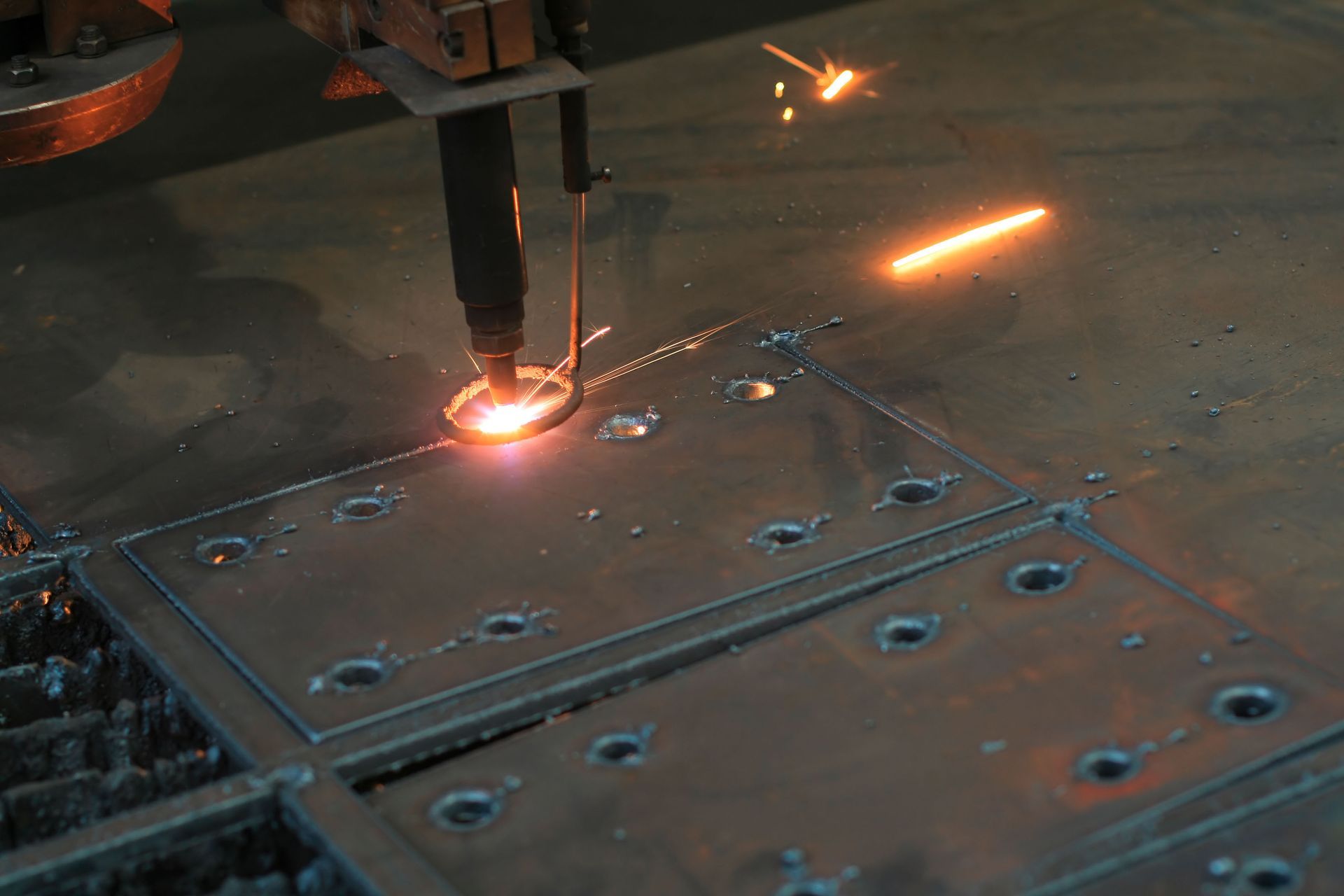
No two commercial builds share the exact same site conditions, load demands, or architectural goals. Whether you are erecting an agricultural storage facility, expanding an industrial plant, or constructing a multi-story commercial building, your steel must match your operational environment. Sourcing the right raw stock ensures the metal responds predictably to precision cutting, bending, drilling, and welding inside the fabrication shop.
Custom work requires materials that hold tight tolerances without sacrificing ductility or weldability. A skilled commercial metal fabrication partner evaluates your blueprints before ordering a single pound of steel, confirming that every specified grade supports the required connections and finishes. This upfront alignment eliminates costly shop rework and ensures every component fits together cleanly once it reaches your jobsite.
Verifying Industry Standards and Quality Control
Rigorous material sourcing goes hand in hand with documented quality control at every stage of production. Reputable fabricators inspect raw steel the moment it arrives at their facility, checking dimensions, surface condition, flatness, and mill heat numbers against engineering requirements and certified test reports. Catching a material discrepancy on the receiving dock prevents defective components from ever entering production, stalling shop schedules, or arriving at your construction site.
Working with an American Institute of Steel Construction (AISC) certified fabricator gives you added confidence that material traceability, weld inspections, and shop procedures meet strict national benchmarks. Throughout cutting, drilling, and assembly, dedicated inspectors verify tolerances and weld integrity before any protective coatings are applied. Combined with OSHA-compliant shop operations, disciplined material verification protects both the workers assembling your structure and the people who will occupy it. In commercial metal fabrication, consistent quality control turns raw mill products into dependable structural assets built to perform safely for decades.
Streamlining Delivery and On-Site Installation
How materials are sourced and batched directly affects how smoothly steel goes up in the field. Large commercial projects rarely have space to store an entire building's worth of steel on site all at once, especially on tight urban lots or active industrial campuses. When your fabricator coordinates raw material procurement with phased production, finished beams, trusses, and columns arrive at your jobsite in the exact sequence your erection crew needs them.
Properly sourced and fabricated components also arrive with accurate lifting points, clean bolt holes, verified weldments, and clear piece marks that speed up crane time and bolting while reducing safety hazards. Tight coordination between material procurement, shop fabrication, and delivery scheduling prevents jobsite congestion, eliminates double-handling of heavy loads, and keeps your general contractor moving forward without costly downtime or weather-related delays. Every hour saved during steel erection translates directly into lower field labor costs, safer site operations, and an earlier opening date for your business.
Planning Ahead for Future Building Expansions
Smart business owners think beyond day one when planning a new commercial facility. If your operations grow, you may eventually need to add square footage, install heavier industrial machinery, upgrade overhead crane capacities, or modify existing bays to accommodate new workflows. The steel grades, member thicknesses, and structural profiles sourced for your initial build determine how easily your building can adapt to those future demands without compromising structural integrity.
Discussing long-term growth plans during early pre-construction meetings allows your fabricator to source structural steel capable of supporting future tie-ins, extended rooflines, and higher load tolerances. By specifying standardized, readily available steel sections and pre-engineered connection points upfront, your team avoids costly structural retrofits, extensive welding modifications, and disruptive operational downtime down the road. Forward-looking commercial metal fabrication gives your business a durable, scalable foundation that grows smoothly alongside your operations and protects your capital investment for decades.
Partnering Early With an Experienced Fabricator
Bringing your fabricator into the conversation during early design and budgeting unlocks the biggest advantages of strategic material sourcing. Rather than treating steel procurement as an afterthought, early collaboration lets your team compare material options, evaluate lead times, and refine connection details before final drawings are locked in. You gain practical insight into how raw steel behaves during fabrication, transport, and installation, helping you avoid common scheduling and budget traps.
Whether your project involves standard structural steel beams or custom-made components for industrial machinery, an experienced commercial metal fabrication partner guides you through every material decision with clarity. You get honest answers about availability, realistic delivery schedules, and durable steel solutions built to perform under real-world conditions.
Ready to start your next structural steel or custom metal project with confidence? Contact Donner Steel Works today for a free estimate and experience family-owned, AISC-certified craftsmanship built to last.
Share On: