
Behind the Steel: How Commercial Metal Fabrication Strengthens Modern Construction Projects
Modern construction projects are a marvel of design, efficiency, and scale, but few consider the intricate processes that make them possible. Commercial metal fabrication is at the heart of these projects, providing strength, precision, and adaptability. From skyscrapers to industrial complexes, fabricated metal components form the structural skeleton that supports every aspect of construction. Understanding the role of metal fabrication sheds light on its critical contribution to durability, safety, and overall project success.
The Basics of Commercial Metal Fabrication
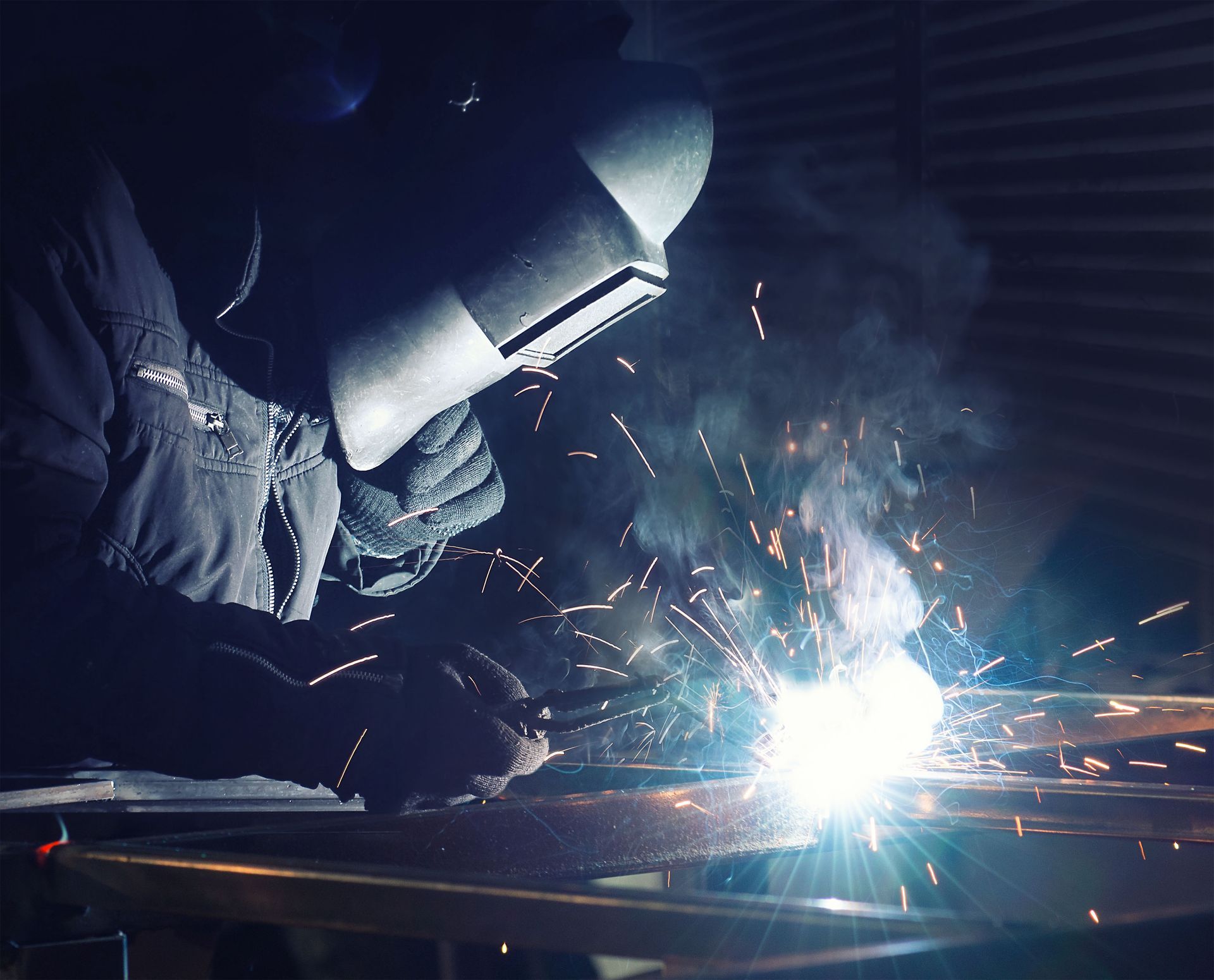
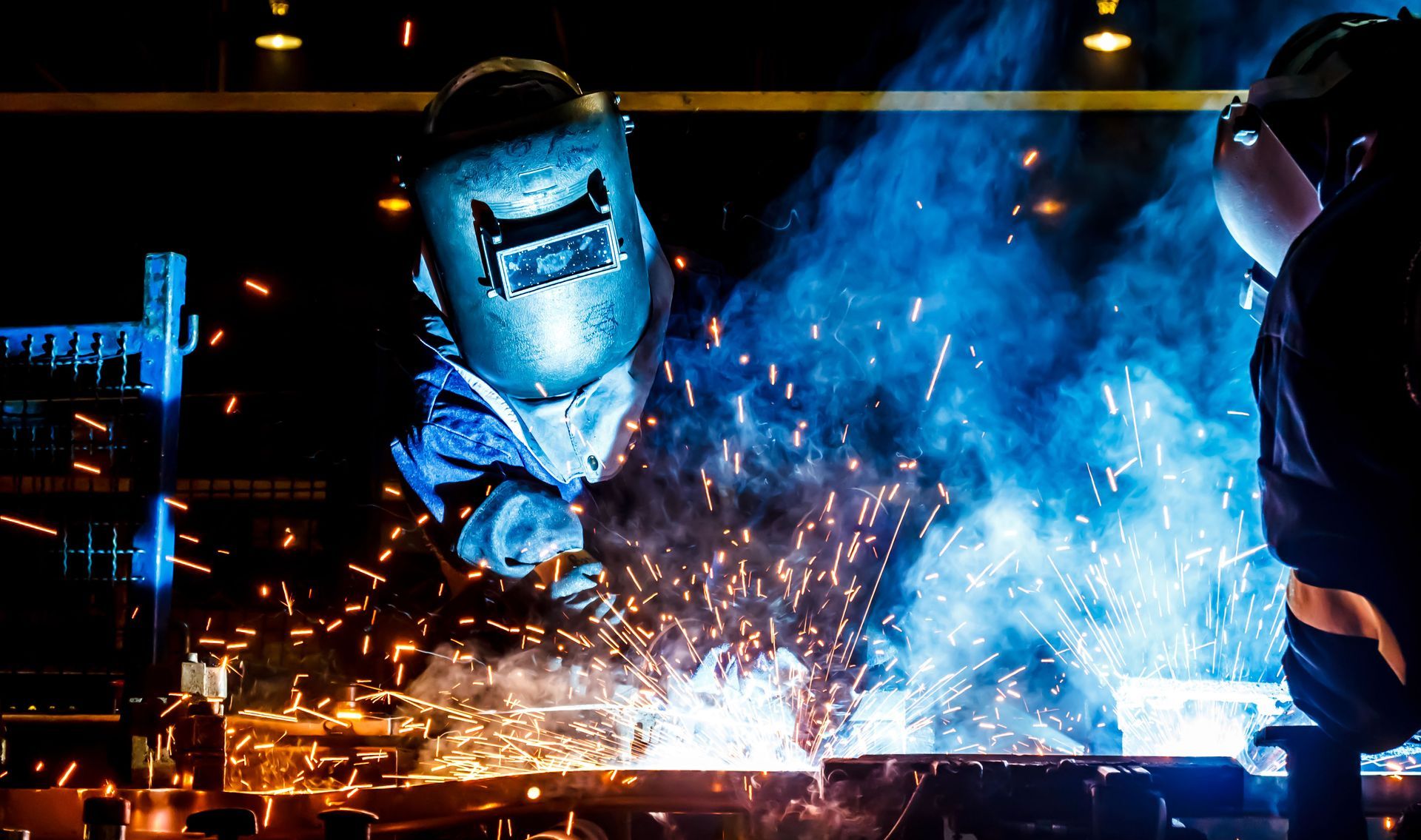
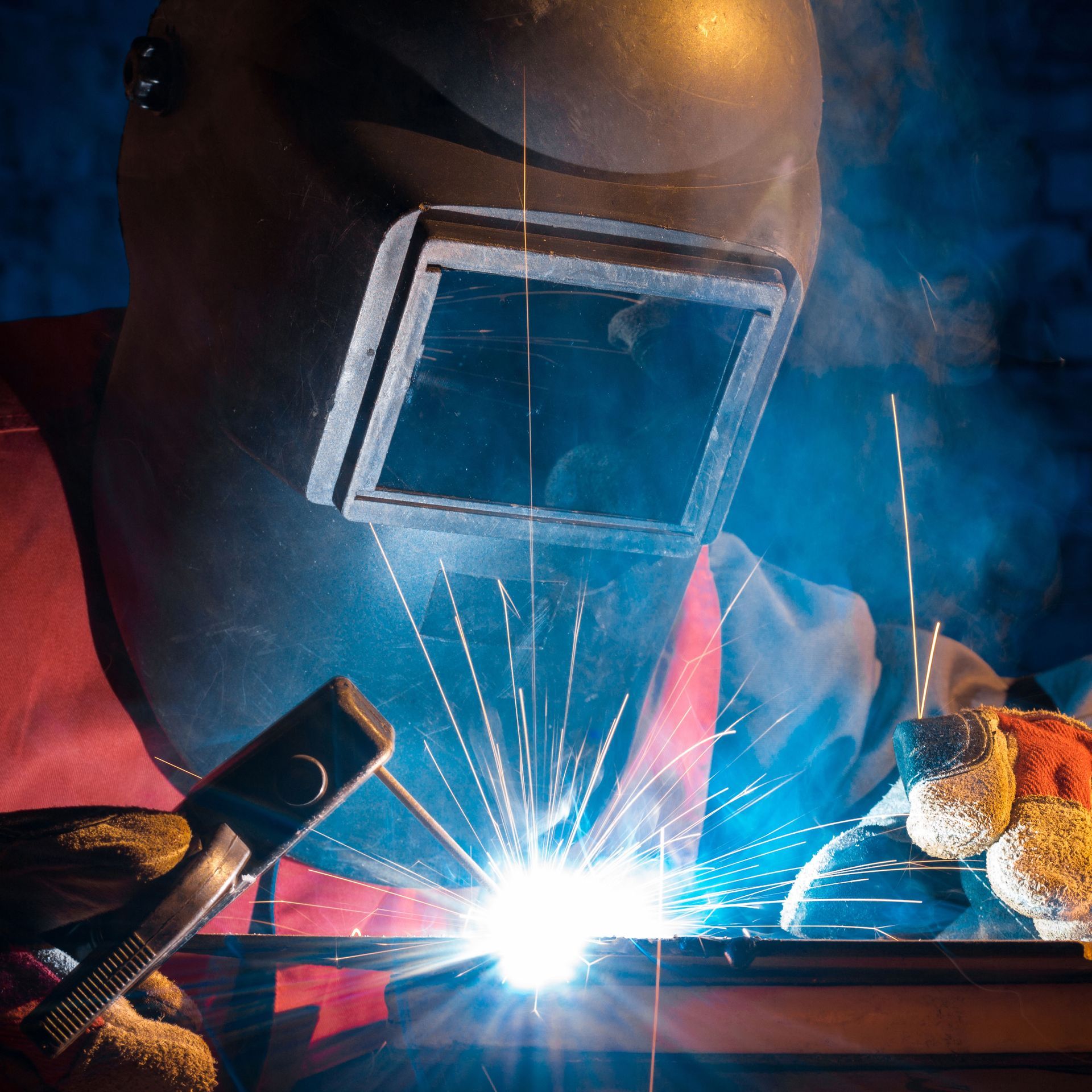
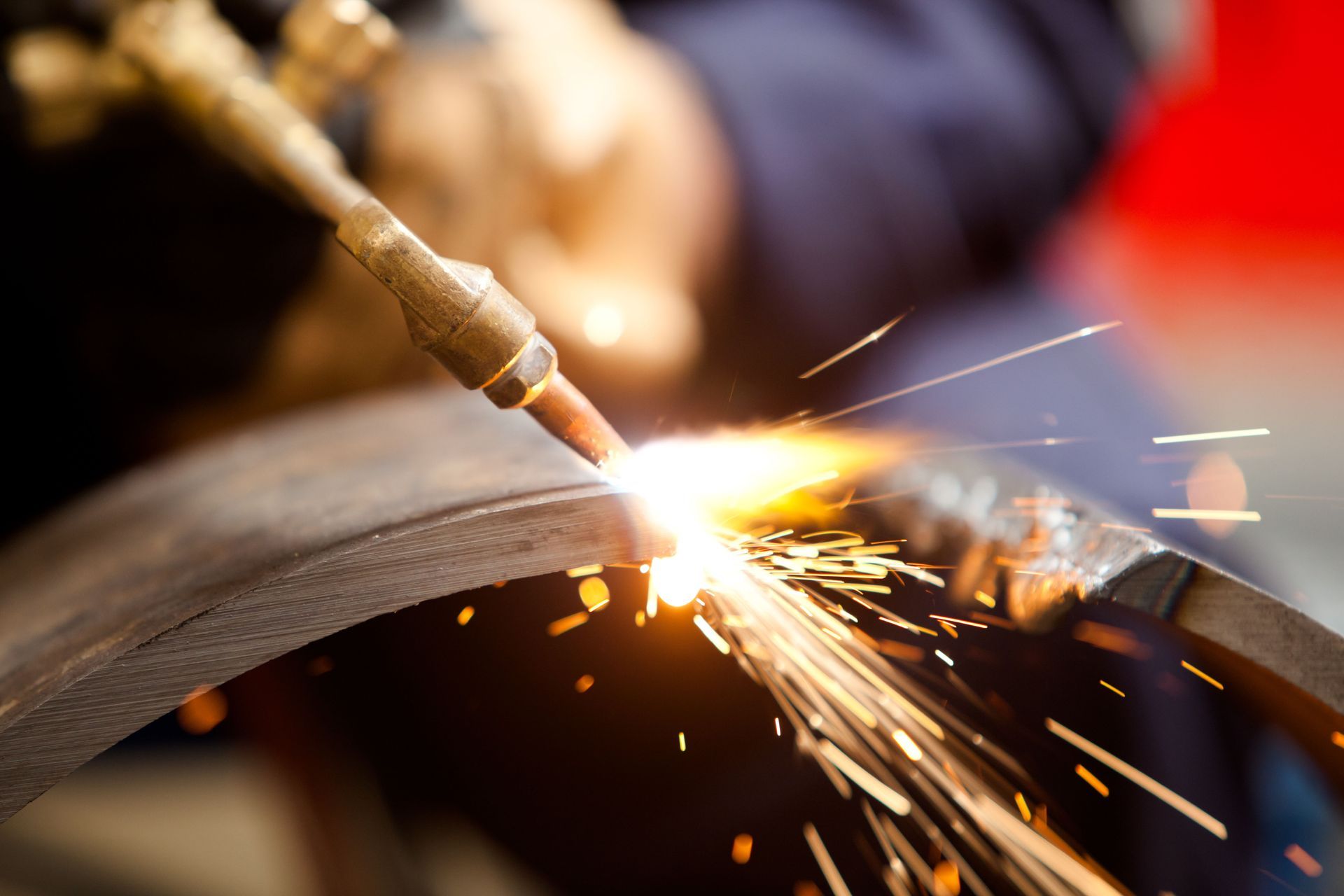
Commercial metal fabrication involves cutting, bending, assembling, and finishing metal to create components used in construction and industry. Unlike simple metalworking, commercial fabrication focuses on large-scale applications with precise specifications. Steel, aluminum, and stainless steel are commonly used materials, chosen for their strength, corrosion resistance, and versatility. Fabrication techniques such as welding, laser cutting, and CNC machining ensure each piece meets stringent design requirements, allowing architects and engineers to rely on consistent, high-quality components for their projects.
Structural Integrity Through Precision Engineering
One of the most critical contributions of commercial metal fabrication is structural integrity. Fabricated steel beams, columns, and trusses are engineered to exact tolerances, ensuring they bear the loads and stresses of modern construction. Precision prevents structural failures and extends the lifespan of buildings. Each fabricated component is often designed with advanced modeling software, allowing engineers to predict performance under various conditions. By relying on precision-engineered metal elements, construction teams can build taller, stronger, and safer structures than ever before.
Customization for Complex Architectural Designs
Modern architecture frequently demands custom metal solutions that standard components cannot provide. Commercial metal fabrication enables customization, allowing architects to translate ambitious designs into reality. Curved beams, intricate metal frameworks, and unique support structures can be fabricated to exact specifications. This flexibility is particularly valuable for high-end commercial spaces, airports, and cultural centers where aesthetic appeal is as important as functionality. Fabrication shops can create one-of-a-kind metal components that integrate seamlessly with other building materials.
Efficiency and Time Savings on Construction Sites
Metal fabrication also streamlines construction timelines. Prefabricated metal components are assembled offsite in controlled environments, reducing delays caused by weather or on-site errors. Once delivered, these ready-to-install pieces can be quickly fitted, minimizing labor costs and downtime. Additionally, modular fabrication allows for parallel construction processes, where site preparation and metal assembly occur simultaneously. This efficiency is essential for large-scale commercial projects, ensuring deadlines are met without compromising quality or safety.
Durability and Longevity of Fabricated Metals
Buildings and infrastructure must withstand harsh environmental conditions, heavy usage, and natural wear over time. Commercial metal fabrication produces components that are inherently durable, resistant to corrosion, and capable of handling extreme loads. Protective coatings, galvanization, and advanced welding techniques further enhance longevity. As a result, structures built with fabricated metal components require less maintenance and have a longer service life. This durability translates into reduced long-term costs for building owners and operators.
Integration with Modern Construction Materials
Metal fabrication is rarely a standalone process; it works in harmony with concrete, glass, wood, and other building materials. Custom-fabricated steel frames, for example, provide support for reinforced concrete slabs or glass facades. Connections and joints are engineered to accommodate expansion, contraction, and environmental stresses. This integration ensures that all materials in a project perform optimally while maintaining structural stability. By combining metal fabrication with other construction materials, engineers can achieve innovative designs that would be impossible with traditional methods alone.
Quality Control and Safety Standards
Commercial metal fabrication is subject to rigorous quality control protocols. Components are inspected for dimensional accuracy, weld integrity, and material properties. Industry standards and building codes ensure that fabricated metals meet safety and performance criteria. This focus on quality not only safeguards construction workers during installation but also protects future occupants. With strict adherence to quality control, construction teams can confidently rely on metal components to perform as intended under both normal and extreme conditions.
Cost-Effectiveness of Prefabricated Metal Components
While high-quality metal fabrication may seem expensive upfront, it offers cost savings in the long run. Prefabrication reduces waste, optimizes material use, and minimizes on-site labor. Fewer mistakes and rework translate into lower project costs. Additionally, durable and well-engineered metal components reduce the need for frequent maintenance or replacement. When considering the total lifecycle cost of a building, investing in commercial metal fabrication proves to be both economical and sustainable from a financial perspective.
Environmental and Sustainability Considerations
Although commercial metal fabrication primarily focuses on strength and precision, sustainability is increasingly relevant. Modern fabrication processes emphasize efficient material use, recycling of scrap metal, and energy-efficient production methods. Steel and aluminum are highly recyclable, meaning fabricated components can be repurposed at the end of a building’s lifecycle. While the primary benefit is structural, these practices contribute to more environmentally responsible construction, aligning with broader trends in green building and sustainable development.
Technological Innovations in Metal Fabrication
Technological advancements have transformed commercial metal fabrication. Computer-aided design (CAD) and computer-aided manufacturing (CAM) enable the creation of complex geometries with unparalleled precision. Robotics and automated welding systems increase efficiency and consistency. Laser cutting technology allows for intricate shapes without compromising material strength. These innovations expand the possibilities of modern construction, allowing architects and engineers to dream bigger while maintaining structural integrity and cost-effectiveness.
The Role of Skilled Fabricators in Construction Success
Even with advanced technology, skilled human labor remains essential. Experienced metal fabricators interpret blueprints, adjust processes for optimal results, and ensure that each component meets design specifications. Their expertise ensures proper assembly, welding, and finishing, reducing the risk of defects and structural issues. The combination of skilled craftsmanship and technological tools guarantees that fabricated metal components meet the rigorous demands of modern commercial construction projects.
Maintenance and Inspection of Fabricated Metal Structures
Even the strongest fabricated metal components require regular maintenance and inspection to ensure long-term performance. Routine checks for corrosion, fatigue, and structural integrity help identify potential issues before they become serious problems. Protective coatings and treatments can be reapplied to extend the life of metal surfaces, while welding repairs address minor damage. By implementing a proactive maintenance schedule, building owners and contractors can preserve the strength, safety, and reliability of structures, ensuring that the investment in commercial metal fabrication continues to pay dividends for decades.
Future Trends in Commercial Metal Fabrication
According to Market Research Future, the steel fabrication industry is expected to be valued at $27.67 billion by 2032, and the future of metal fabrication promises even greater integration with construction innovation! 3D printing of metal components, smart alloys, and adaptive materials are emerging trends. These developments may allow for lighter, stronger, and more sustainable construction solutions. Automation and artificial intelligence will further enhance precision and efficiency. As the demand for complex, resilient, and visually appealing buildings grows, commercial metal fabrication will continue to evolve, solidifying its role as a cornerstone of modern construction.
Commercial metal fabrication is the invisible force behind the stability, durability, and efficiency of today’s construction projects. Understanding and appreciating this process reveals not only the complexity of modern construction but also the essential role metal fabrication plays in creating structures that endure, inspire, and define our cities. Our team at Donner Steel Works, located in Lincoln, NE, specializes in fabricating high-quality steel products. We're a family-owned business with decades of experience and have certification from the American Institute of Steel Construction. Contact us today for a free estimate!
Share On: